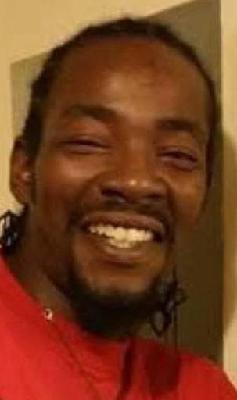
Jeremy Meredith was an 18-year-old male from Kansas City, Missouri, and on August 27, 2008, his life was taken in a way that left the people who loved him staring at a silence that didn’t make sense. It’s one thing to lose someone to time or illness, something you can brace for in slow, painful increments. It’s another to have a young life end abruptly, violently, and close to home, the kind of ending that turns familiar rooms and ordinary routines into reminders that nothing is guaranteed.
In the days that followed, Kansas City had the kind of mourning that feels both intimate and public at the same time. There were arrangements, services, people gathering to say goodbye and to try to make meaning out of something that had none. The rituals of grief unfolded the way they always do—visitation hours, prayers, voices lowered out of respect—but behind every polite condolence was the same unspoken question: how could this happen, and why?
The case was classified as a homicide, and over time it became tied to that heavy phrase that families learn to dread: cold case. Those words don’t just describe paperwork or investigative status. They describe birthdays that come and go with no answers, holidays where an empty chair becomes its own kind of ache, and the way hope has to be carried carefully so it doesn’t break. A cold case means the story is still unfinished, even as the years keep moving forward without permission.
What makes the loss even harder to hold is the absence of resolution in the public record—no confirmed arrest to point to, no suspect publicly named as the person responsible, no courtroom moment where the truth is laid out in front of strangers and made undeniable. Instead, there’s the stark reality that, at least in what has been made publicly available, the trail hasn’t led to a conclusion the community can see. That kind of uncertainty becomes its own wound, reopening with every new reminder that Jeremy’s name belongs on a list where it shouldn’t.
And yet, even without answers, Jeremy Meredith is more than a case entry. He is the boy who was eighteen once, the son and the friend and the presence in people’s lives that left a shape behind when it was gone. The people who gathered to honor him weren’t gathering for a statistic or a headline—they were gathering for him, for the memory of who he was before everything changed, for the love that doesn’t disappear just because the person is no longer here.
There is a particular cruelty in a homicide that remains unresolved: it steals not only a life, but also the chance for a clean ending, the chance for the people left behind to exhale and say, at least now we know. Instead, the story stays suspended, held up by grief and questions and the quiet determination to keep Jeremy’s name from fading into the background of time. Even when details are scarce and years stretch long, the heart of the story remains painfully clear—an eighteen-year-old from Kansas City should have had so much more life ahead of him, and the people who loved him are left carrying both his memory and the unanswered space where justice should be.