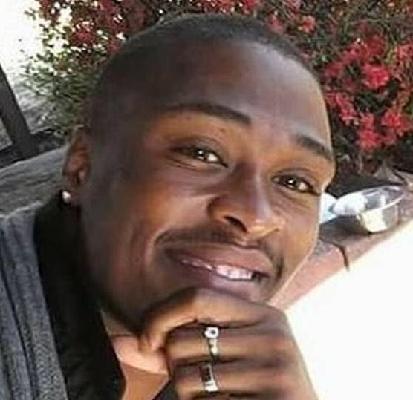
Gary A. McElroy was a 26-year-old man from Kansas City, Missouri, whose life came to an end on Saturday, August 30, 2008. However brief that single line of fact can look on a page, it carries the full weight of a person suddenly gone, and of the silence that follows when someone who once took up space in a room is no longer there to answer back.
In the days after his death, what surfaces publicly is not an explanation of how it happened, but the shape of grief and the rituals people reach for when they have to keep moving while their hearts are still trying to catch up. Family and friends were given a time to gather during a visitation on the morning of Monday, September 8, and later that same day, they came together again for services meant to honor him, speak his name out loud, and hold one another upright through the hardest part of goodbye. Afterward, he was laid to rest at Forest Hill Cemetery in Kansas City, returning to the city that had been his home.
Some of what is remembered about him appears in the small details that survive in memorial records: a birth date of January 26, 1982, and the names of the people closest to his beginning. He is connected there to his parents, Perry Kitchen and Joelene McElroy-Anderson, as well as to a family story that already included loss before the day he died. He was preceded in death by his grandfather, Connie Kitchen, and by a sister, Chatney McElroy, names that suggest the kind of family history where love and sorrow have had to share the same rooms.
There is a particular ache in reading about someone through the formal language of farewells—visitation, services, burial—because it leaves so much unsaid. You can feel the outlines of a life without getting to see the ordinary moments that made it real: the people who would have recognized his footsteps on a porch, the friends who would have known his laugh without thinking, the small routines that disappear when someone is no longer there to live them. What remains in public view is the fact of his passing and the gathering of those who cared enough to show up, to stand close, and to carry his memory forward in whatever ways they could.
Information available in the sources does not describe the circumstances of his death, and it does not identify any suspect or suspects. There are no public details presented there about arrests, charges, trials, or convictions tied to his passing. That absence doesn’t make the loss any smaller—it only means that what is visible to the wider world is limited to the record of his name, the date he died, and the collective act of laying him to rest with dignity.