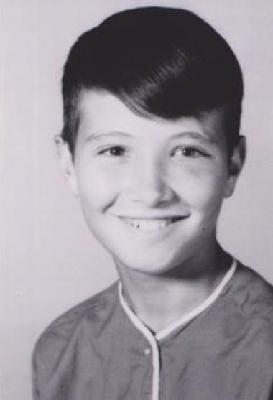
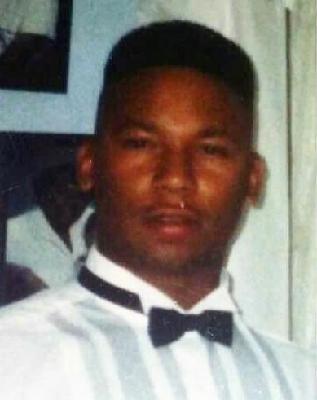
Willard Karmon "Rusty" Branch Jr., a 17-year-old male of Caucasian ethnicity from Houston, Texas, tragically died on November 9, 1972. Rusty was known to hitchhike, and his disappearance in early November 1972 led to a harrowing investigation. His body was discovered in August 1973, buried in a boat shed along with 16 other victims.
The investigation revealed that Rusty, along with the other victims, had been murdered by Dean Corll, a serial killer.
Corll, along with two teenage accomplices, Elmer Wayne Henley and David Owen Brooks, had lured young men and boys to their deaths between 1971 and 1973. Henley and Brooks helped Corll in the murders and the burial of the victims. Henley eventually turned himself in to the police in August 1973, leading to the discovery of the bodies.
Corll was killed by Henley before he could be arrested, and Henley and Brooks were later convicted and sentenced for their roles in the murders. The case remains one of the most infamous serial killer cases in Texas history, with the bodies of 27 victims, including Rusty, being uncovered.
Rusty's family, particularly his sister Susan McLemore, played a crucial role in identifying his remains and bringing some closure to the tragic events. The case highlighted the dangers of hitchhiking and the importance of community vigilance in protecting vulnerable individuals.
The investigation and subsequent trials of Henley and Brooks brought to light the horrifying extent of Corll's crimes and the impact on the victims' families. The case also underscored the challenges law enforcement faces in solving such complex and emotionally charged cases.