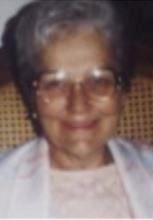
Venice E. Charles Henehan, a 70-year-old woman of Caucasian ethnicity, tragically lost her life on October 16, 1991, in Killeen, Texas. She was one of the victims of the horrific Luby's Massacre, a mass shooting carried out by George Jo Hennard. Hennard drove his pickup truck through the front window of the Luby's Cafeteria and opened fire on the patrons and staff inside.
This devastating event resulted in the deaths of 23 people, including Venice Henehan, and left many others injured.
The investigation into the Luby's Massacre revealed that Hennard had no known history of mental illness or criminal activity prior to the shooting. He had recently been fired from his job and was reportedly experiencing personal difficulties. Despite extensive investigations, no clear motive was ever established for Hennard's actions. He ultimately took his own life after the shooting, leaving behind a community in mourning and a nation grappling with the aftermath of such a senseless act of violence.
The Luby's Massacre had significant legal and legislative consequences. In response to the tragedy, the Texas Legislature passed a shall-issue concealed carry law in 1995, allowing citizens with the required permit to carry concealed weapons. This law was part of a broader movement to enable U.S. citizens to obtain permits to carry concealed weapons more easily. The Luby's Cafeteria eventually closed its doors in 2000, and the site was later occupied by a Chinese-American buffet called Yank Sing.
Venice E. Charles Henehan's death, along with the deaths of the other victims, remains a poignant reminder of the impact of gun violence and the importance of addressing mental health and personal crises to prevent such tragedies in the future.