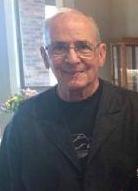
James Walter Welsh, a 75-year-old male of White ethnicity from Waco, Texas, tragically lost his life on October 16, 1991, in Killeen, Texas. He was one of the victims of the Luby's shooting massacre, a horrific event that took place at the Luby's Cafeteria in Killeen. The perpetrator, George Jo Hennard, drove his pickup truck through the front window of the cafeteria and opened fire on the patrons and staff inside.
Hennard killed 23 people, including James Walter Welsh, and wounded 20 others before taking his own life.
The Luby's shooting massacre was one of the deadliest mass shootings in U.S. history at the time. The incident prompted significant changes in Texas gun laws, leading to the passage of a shall-issue concealed carry law in 1995. This law allowed Texas citizens with the required permit to carry concealed weapons.
Despite the tragic loss of life, the community came together to support the victims and their families. Memorials and tributes were held to honor those who perished in the massacre, including James Walter Welsh. His family and friends remembered him as a kind and loving individual who served in the U.S. Air Force during World War II.
The investigation into the massacre focused on understanding the motives of the shooter, George Jo Hennard. While no clear motive was ever established, it was believed that Hennard's actions were driven by a desire for revenge and a sense of anger towards society. The aftermath of the shooting led to increased awareness of the need for improved mental health support and gun control measures.
In conclusion, James Walter Welsh's death was a tragic result of a senseless act of violence that shook the community of Killeen, Texas. His memory lives on through the love and respect of those who knew him and the changes that were made in the wake of the tragedy to prevent such events from happening again.