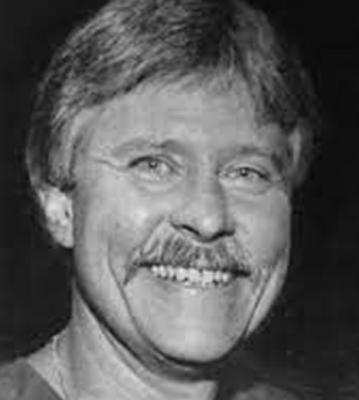
Michael Edward Griffith, a 48-year-old white male, tragically lost his life on October 16, 1991, in Killeen, Texas. He was one of the victims of the infamous Luby's Cafeteria massacre, one of the deadliest mass shootings in U.S. history. On that fateful day, George Jo Hennard, a 35-year-old unemployed former merchant seaman, drove his pickup truck through the front window of the Luby's Cafeteria and opened fire on the patrons and staff inside.
The massacre resulted in the deaths of 23 people and injuries to 27 others. Hennard used two semi-automatic pistols during the attack and eventually took his own life after being cornered and wounded by the police.
Michael Edward Griffith, a local veterinarian, was the first victim of the shooting. He ran to help the driver, presumably believing the crash was accidental, but was shot and killed by Hennard. The massacre lasted for about 12 minutes, during which Hennard targeted women in particular, making misogynistic statements as he carried out the attack. The incident led to significant changes in Texas gun laws, including the passage of a law allowing citizens to carry concealed weapons with the required permit.
The Luby's Cafeteria massacre had a profound impact on the community and the nation. The restaurant struggled to recover from the tragedy and eventually closed its doors in 2000. The building was later occupied by a Chinese-American buffet. The massacre remained the deadliest criminal mass shooting by a single gunman in U.S. history until the Virginia Tech massacre in 2007.
In the aftermath of the shooting, there were no arrests or suspects other than George Jo Hennard, who had committed suicide at the scene. The investigation focused on understanding Hennard's motives and background. It was revealed that he had a history of problematic behavior, including drug use and stalking. The massacre also led to discussions about mental health and gun control, as well as the implementation of measures to prevent similar tragedies in the future.