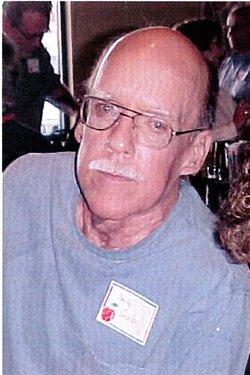
David Hubert Gunby, a 58-year-old male of Caucasian ethnicity from Austin, Texas, passed away on November 12, 2001. His death was ruled a homicide by the Tarrant County medical examiner, Dr. Nizam Peerwani, due to complications from a gunshot wound he sustained 35 years earlier during the infamous University of Texas Tower shooting on August 1, 1966.
The shooter, Charles Whitman, a 25-year-old architectural student, killed 14 people and wounded 31 others, including Gunby, before being shot by police.
Gunby, who was a 23-year-old electrical engineering student at the time of the shooting, was hit in the back by a bullet that severed his small intestine. Despite surviving the initial injury, he faced chronic kidney problems and required dialysis treatment three times a week for 35 years. In the years following the shooting, Gunby underwent a kidney transplant that nearly killed him when his body rejected the organ. His health continued to deteriorate, and he eventually decided to stop dialysis treatment on November 5, 2001. He died five days later at Harris Hospital in Fort Worth.
The unusual time gap between the shooting and Gunby's death raised questions about how to classify the case legally, but the medical examiner maintained that the death was a direct result of the initial trauma and thus ruled it a homicide. There were no arrests, suspects, litigations, or investigations related to his death, as it was determined that the shooter, Charles Whitman, had already been killed by police on the day of the shooting.
Gunby's family described him as a strong and resilient man who had to endure constant pain and medical treatments throughout his life. Despite his struggles, he managed to earn his degree and work as an engineer before retiring due to health issues. He is survived by his two children, Michael and Christi French, and five grandchildren.
In summary, David Hubert Gunby's death was a tragic consequence of the University of Texas Tower shooting, highlighting the long-lasting impact such traumatic events can have on victims and their families.