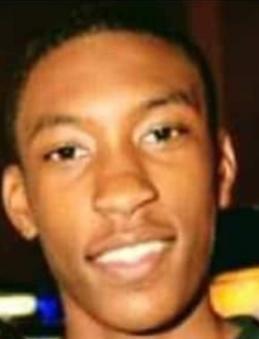
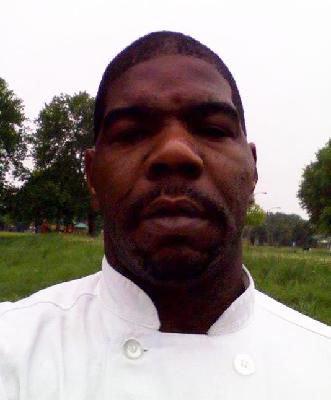
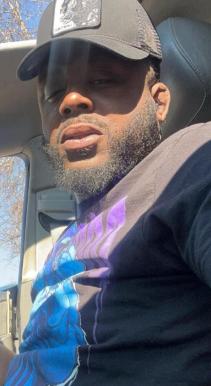
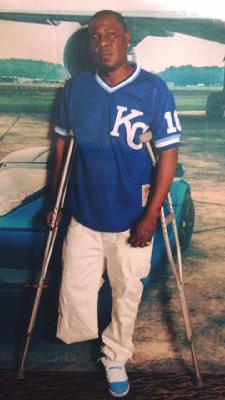
Damon Walker, 33, male, from St. Louis, Missouri, was killed in a burst of morning violence on Friday, April 30, 2010, just as the city was waking up and a school day was about to begin. Police said Walker was chased to the grounds of Ford Community Education Center and shot several times in the school’s parking lot area roughly a half-hour before classes were scheduled to start, the kind of timing that turns an ordinary place into a crime scene in an instant.
He died of multiple gunshot wounds at the scene, leaving behind only the echoes of footsteps, the shock of witnesses, and a campus suddenly frozen in alarm.
In the first hours after the shooting, the person responsible was not in custody. The suspect fled after the gunfire, and authorities described the killing as the end of a chase that spilled onto school property, with the shooter disappearing before investigators could lock in an immediate arrest. The killing’s proximity to the school day—so close to the moment when staff and children would normally be arriving—underscored how abruptly the pursuit reached its final, irreversible moment.
Years later, the case surfaced again in federal court filings tied to a broader drug-trafficking investigation. Federal prosecutors said Terrance “Mutt” Wilson, identified as an enforcer for the Donald White drug trafficking organization, admitted in a plea agreement that he was involved in Walker’s murder on April 30, 2010. Wilson entered guilty pleas on April 24, 2018, to drug conspiracy and firearms charges, and on November 20, 2018, he was sentenced to 35 years in federal prison for conspiracy to distribute controlled substances and using a firearm in furtherance of a drug-trafficking offense resulting in death.
The federal account placed Walker’s death among a cluster of killings prosecutors tied to the organization’s violence during that era, portraying Wilson as someone used to enforce control amid an ongoing drug war. The same U.S. Attorney’s Office announcement also noted that a codefendant, Donald Stewart, had been convicted by a jury in May 2018 of narcotics conspiracy and firearms charges related to other murders in the case, showing how investigators and prosecutors pursued the violence as part of a larger pattern rather than an isolated shooting.