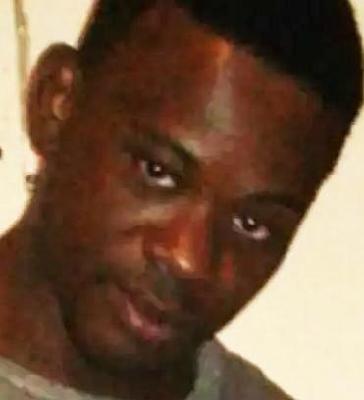
Jabri Jones, an 18-year-old African American male, tragically lost his life on March 19, 2016, in Dallas, Texas. He was found shot inside a vehicle in the parking lot of an apartment complex on North Masters Drive. The incident occurred in the early hours of the morning, and Jabri was pronounced dead shortly after being discovered. The circumstances surrounding his death were deeply troubling, as it was part of a double homicide that also claimed the life of 17-year-old Damontre Deshun Sweeney,
another African American male.
The investigation into the deaths of Jabri Jones and Damontre Sweeney revealed that the motive behind the shooting was linked to a diss song released by Sweeney. The song, which targeted a rival, sparked a violent response that culminated in the fatal shooting of both young men. Surveillance footage from the scene showed an individual approaching the vehicle and opening fire on the victims. The double murder was not an isolated incident, as it led to a series of retaliatory shootings in the area, further escalating the violence.
In the aftermath of the murders, law enforcement agencies, including the Dallas Police Department and the ATF Violent Crime and Gang Taskforce, launched an extensive investigation to identify and apprehend the suspects involved. Despite the efforts of the authorities, the case remained unsolved for an extended period, with investigators appealing to the public for assistance in providing information that could lead to arrests. Crime Stoppers offered a reward for any tips that could help solve the case, and the community was urged to come forward with any relevant information.
The impact of the murders on the families of Jabri Jones and Damontre Sweeney was profound, as they not only had to cope with the loss of their loved ones but also endured ongoing torment from social media posts and music videos that glorified the violence. The case highlighted the dangerous intersection of music, gang culture, and violence in the community, prompting calls for greater efforts to address the root causes of such incidents and prevent further tragedies.