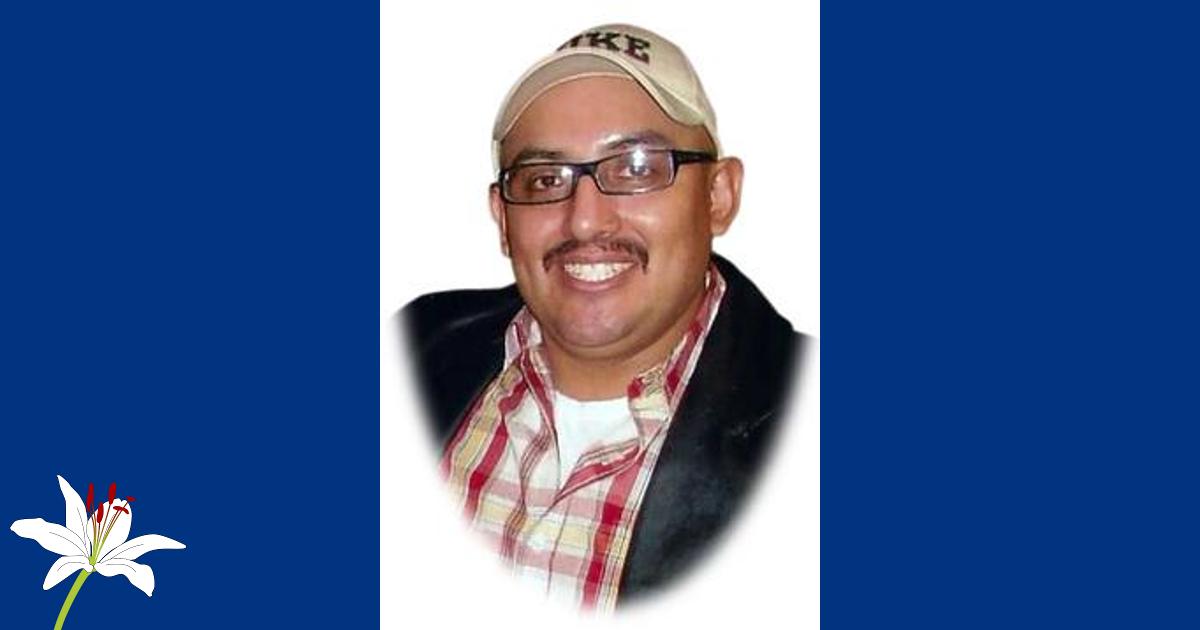
Charles T. Williams, 26, died in Kansas City, Missouri, but the publicly available online record of what happened to him is thin enough that his final hours have been left mostly to silence. Unlike cases that generate a trail of news coverage, court filings, or official public briefings, this one appears to have slipped through the wider public narrative, leaving only the bare fact of his death and the city where it happened.
Because the available online sources do not consistently provide a date, a location within the city, or a clear description of the circumstances, it isn’t possible to responsibly reconstruct a definitive timeline of events leading up to his death. There is no reliably accessible public account that explains where he was, who he was with, or what immediate incident set everything in motion.
The same absence follows the investigation. In the accessible online material reviewed, there are no verified names of suspects, no confirmed arrests tied to his death, and no publicly documented charges, trials, or convictions that clearly connect back to his case. If investigators identified leads at the time, those details are not reflected in the online public record in a way that can be confirmed without access to case files or official releases.
What remains, then, is the outline of a life cut short and a case that—at least from the public-facing web—does not show the kind of visible resolution that comes with an arrest announcement or a courtroom outcome. The result is a story with an ending everyone can see, but with too much of the middle missing to name who did it, why it happened, or whether accountability ever arrived.