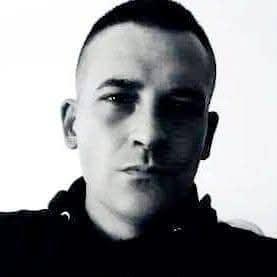
On Saturday, July 9, 2011, the quiet of the 3500 block of East 34th Street in Kansas City, Missouri, was broken when Lealon Muldrow, 27, male, was found suffering from gunshot wounds. Police were called to the scene in the evening, and the first responders’ focus turned immediately to triage—getting him out of the street and into an ambulance before the bleeding and shock stole whatever time was left.
He was rushed to a hospital, but the damage was already done. Authorities said he was pronounced dead that night, turning what began as an urgent medical response into the opening chapter of a homicide investigation. The location—an ordinary residential stretch—became a makeshift crime scene, the kind where answers often come from the smallest traces: the direction of a shot, the timing of footsteps, the fleeting glimpse of a car that didn’t belong.
In the immediate aftermath, detectives faced the hardest kind of starting point: a shooting with no publicly identified suspect and no public account of an arrest tied to the killing. The case has been recorded in public cold-case tracking as unsolved, with the suspect information still listed as unknown, leaving the story suspended in that familiar, brutal middle—after the violence, before the accountability.
More than a decade later, what remains is a timeline anchored to one night and one address, and a file that still needs the missing piece—someone willing to say what they saw, what they heard, or what they know now that they didn’t feel safe enough to share then. The case continues to be treated as an open homicide, and police information lines remain a route for tips that could finally connect the scattered dots into a name, a motive, and an arrest.