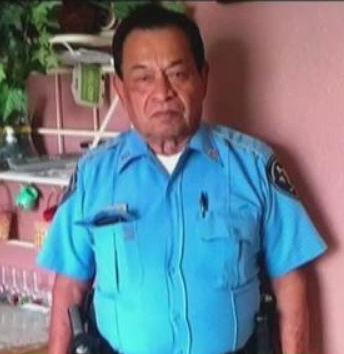
Juan Sanchez, a 29-year-old Hispanic male from Houston, Texas, tragically lost his life on November 14, 2016. He was one of two victims in a double homicide that occurred outside Club Chapa at the Northwest Mall in northwest Houston. The incident took place around 4:30 a.m. after an altercation escalated into a deadly shooting. Witnesses reported that a man in a pickup truck began taunting several individuals, including Juan and his companion, Pedro Sanchez, 24, as they were leaving the club.
Both men were shot as they walked toward the pickup truck.
The suspect, Apolinar Aparicio-Mendez, 32, was later charged with capital murder in connection with the deaths of Juan and Pedro Sanchez. According to police reports, Aparicio-Mendez admitted to shooting both men. Under Texas law, capital murder charges apply when more than one person is killed during the same criminal transaction. If convicted, Aparicio-Mendez faced a mandatory life sentence without the possibility of parole, or prosecutors could pursue the death penalty.
The investigation into the murders revealed that the altercation began outside the nightclub and quickly turned violent. Houston police detectives worked diligently to gather evidence and witness statements to build a case against Aparicio-Mendez. The community was deeply affected by the loss of the two young men, and the case drew significant media attention due to the nature of the crime and the subsequent legal proceedings.
In the aftermath of the shooting, the Sanchez family and friends mourned the loss of Juan and sought justice for his untimely death. The legal process moved forward with Aparicio-Mendez facing trial for the capital murder charges. The case highlighted the ongoing issue of gun violence in Houston and the need for community efforts to prevent such tragedies in the future.
The tragic death of Juan Sanchez serves as a reminder of the devastating impact of violence and the importance of seeking justice for victims and their families. The legal proceedings and investigations surrounding his death underscore the complexities of addressing and preventing violent crime in urban areas.