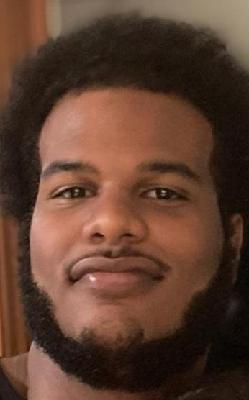
James Romel King was 22, a Black man from St. Louis, Missouri, whose life ended far too soon. The words around his death are painfully simple, because that’s sometimes how loss arrives: sudden, final, and leaving the people who loved him holding a thousand unanswered questions alongside their grief.
St. Louis is the kind of place where every neighborhood has its own rhythm—corner stores, familiar porches, streets that carry memories even when the people in them change. Somewhere inside that city, James was known in the ordinary, deeply human ways that matter most. He was someone’s son, someone’s friend, someone whose name belonged in everyday conversations and future plans. When a young life is cut short, it doesn’t only stop a heartbeat; it interrupts stories mid-sentence. Birthdays that won’t come. Calls that won’t be returned. A laugh that should have echoed through more years.
What remains, at first, is the weight of his absence and the ache of what will never be fully said. People who cared about James would have replayed the last time they saw him, the last message, the last ordinary moment that didn’t feel like a farewell at the time. Grief has a way of turning minutes into keepsakes—small details become sacred because they are all that’s left to hold. And when someone is only 22, the sorrow can feel especially sharp, because the world still expected so much more time from him.
In the days after his death, there would have been the quiet work of mourning: families gathering in living rooms, voices lowering when his name is spoken, the exhaustion that follows tears and sleepless nights. There would have been the hard conversations about what comes next—how to honor him, how to say goodbye, how to put one foot in front of the other when nothing feels steady. Love shows up in those moments in ways that don’t always look dramatic: a hand on a shoulder, a meal left at the door, a friend sitting close without needing to fill the silence.
Even with only the bare facts known here, it’s clear that James mattered. He mattered enough to be missed, enough to be grieved, enough for his name to be spoken with tenderness and pain. A person is more than the final line of a timeline; he is the imprint he left on the people who knew him—inside jokes, shared memories, lessons learned the hard way, and the invisible threads of care that tie a community together.
And now, there is the heartbreak of trying to make sense of a loss that shouldn’t exist. The people who loved James will carry him forward in pieces: in stories told and retold, in photographs that suddenly feel priceless, in the way a familiar song can bring a room to stillness. Mourning changes shape over time, but love doesn’t disappear. It becomes a vow—sometimes spoken, sometimes silent—that he will not be forgotten, that his life will remain more than the moment it ended.
James Romel King should have had more time. He should have had more mornings, more chances, more ordinary days that add up to a long life. What can be said with certainty is that his death left a space that can’t be filled, only honored—and that the people who remember him will keep his name alive in the only way they can: by holding onto who he was, and by refusing to let his story end with a few simple facts.