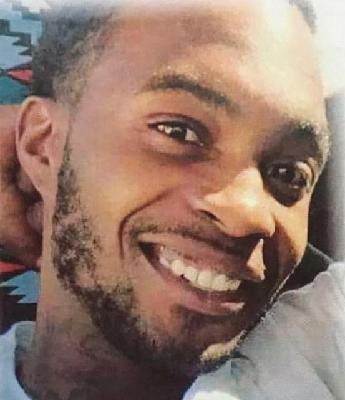
The story of Black male Ryan T. Cobbins, a 25-year-old father from Kansas City, Missouri, began its tragic turn on the morning of October 24, 2013. He left the home he shared with his girlfriend and two daughters to make an 11:00 a.m. appointment at a barbershop near 39th Street and Prospect Avenue. He never arrived at the shop and ceased all communication with his family, including his brother who was a professional mixed martial arts fighter.
Eleven days after he vanished, his orange Chevrolet Camaro was discovered abandoned in an apartment parking lot, but there was no sign of Cobbins. The search ended in heartbreak on New Year's Eve of that same year when a city codes inspector checking an abandoned property in the 3500 block of Flora Avenue found Cobbins' body inside. He had been bound hand and foot and died from multiple gunshot wounds.
For years, the investigation into his death appeared to stall, leaving his grieving family without answers as the case went cold. It wasn't until federal authorities began untangling a broader web of violence that the circumstances surrounding his murder came to light. Investigators connected Cobbins' death to a sophisticated cyberstalking and murder-for-hire conspiracy led by a man named Lester E. Brown, also known as 'Lucky.' The operation utilized illicit GPS tracking devices placed on victims' vehicles to monitor their movements. Authorities revealed that the violence was fueled by a feud over a high-grade marijuana business and that Cobbins was targeted due to his association with another victim, Christopher Harris.
The depth of the betrayal was revealed in court documents which showed that Brown had capitalized on the family's desperation. In November 2013, while Cobbins was already deceased, Brown accepted a $20,000 ransom payment from Harris and another individual, claiming he could act as a middleman to secure Cobbins' safe release. Brown maintained this deception despite knowing the young father had already been killed. The scheme continued until March 2018, when Brown and his associates used a tracking device to locate and execute Christopher Harris in front of his young daughter, dropping him off at his home before opening fire.
Justice finally arrived nearly a decade after Cobbins disappeared. In May 2023, a federal jury convicted Lester Brown of conspiracy to commit cyberstalking, cyberstalking resulting in death, and being a felon in possession of a firearm. Evidence presented during the trial explicitly linked the cyberstalking ring to the murder of Ryan Cobbins, with messages from the conspirators threatening Harris that he would end up like his friend Ryan. In October 2023, a U.S. District Judge sentenced Brown to life in federal prison plus 15 years without the possibility of parole. Two other co-defendants, Michael Young and Ronell Pearson, also pleaded guilty to their roles in the conspiracy, bringing a measure of closure to a series of violent acts that had plagued the community.