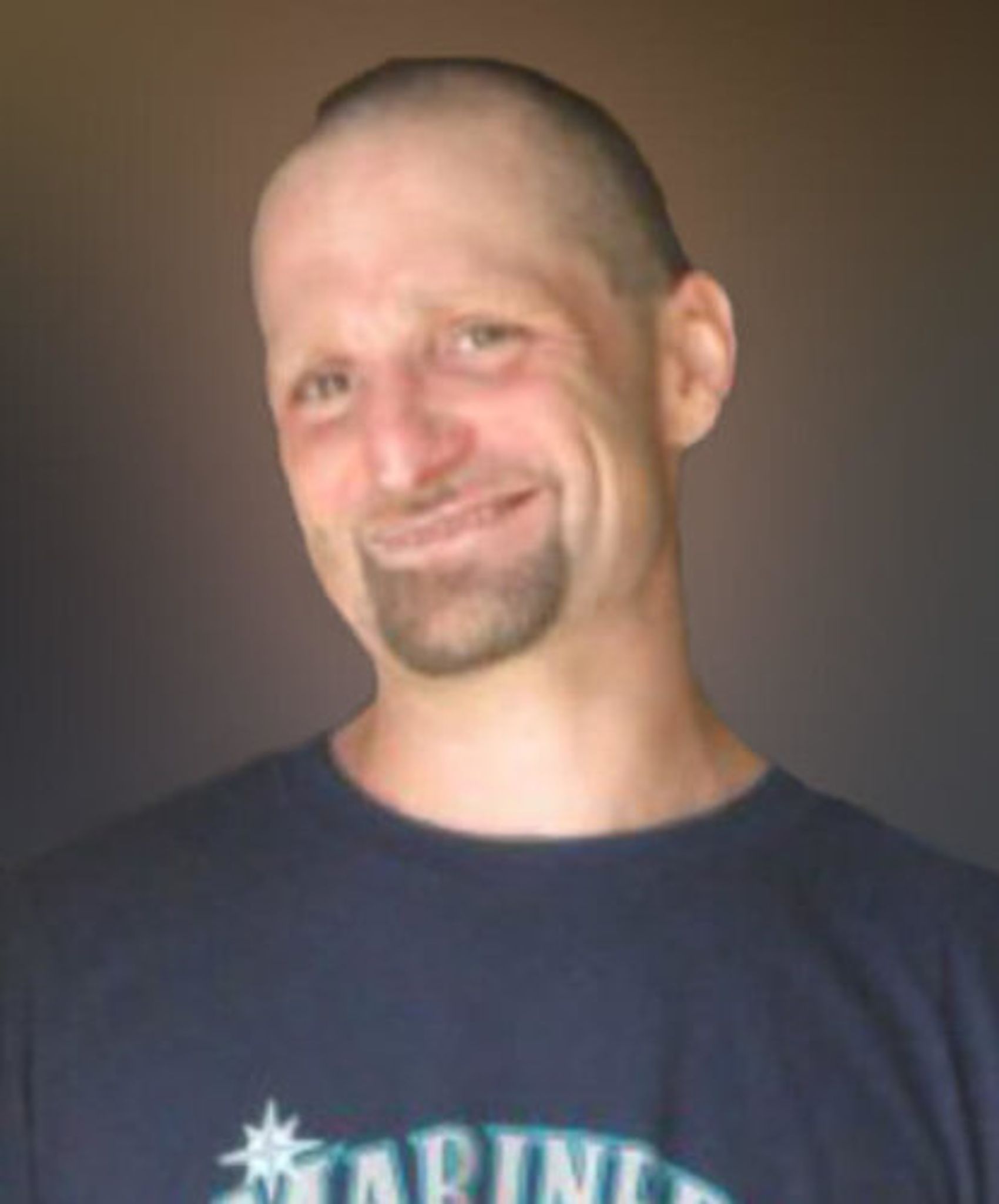
In the summer of 2015, the life of Shelby Polk III, a 35-year-old Black male, was cut tragically short. On the evening of July 19th, in the Soulard neighborhood of St. Louis, Missouri, Polk was found shot after the car he was in crashed into a police vehicle. The events leading up to the shooting remain unclear, but the outcome was devastating. Polk succumbed to his injuries, becoming another victim of gun violence in the city.
His death was one of several homicides that occurred during a particularly violent weekend in St. Louis.
The investigation into Polk's murder was fraught with difficulty from the outset, and despite the efforts of law enforcement, the case grew cold. No suspects were publicly identified, and no arrests were ever made in connection with his killing. The lack of resolution left his family and community searching for answers that would never come, a painful void in the wake of a sudden and violent loss. The case of Shelby Polk III's death officially remains an unsolved homicide, a testament to the challenges that often plague investigations into violent crime.
The story of Shelby Polk III is made all the more heartbreaking by the recurring tragedy that has befallen his family. His death was not an isolated incident but part of a devastating pattern of violence that has spanned generations. His father, Shelby Polk Jr., was also murdered, shot to death in 2007. The cycle of violence would continue two years after Shelby Polk III's death, when his own son, Shelbyon Polk, was killed in 2017. Like his father's and grandfather's murders, Shelbyon's case also remains unsolved, leaving a family shattered by three generations of unsolved homicides and a community to grapple with the profound and lasting impact of such deep-rooted violence.