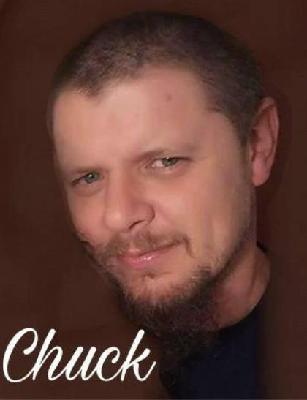
Jacobi Carnell Taylor, a 21-year-old Black man from St. Louis, Missouri, lost his life in a burst of gunfire that shattered an ordinary afternoon on June 4, 2015. It happened in north St. Louis near the intersection of Greer and Prairie—one of those corners that, on any other day, might have blended into the background of a working city. Instead, that spot became the last place he was seen alive, and the beginning of a grief that would settle heavy over everyone who cared about him.
The shooting unfolded quickly, the kind of sudden violence that leaves behind more questions than answers. Police were called to the area around 3:00 p.m. on reports that shots had been fired. When officers arrived, they found Taylor suffering from multiple gunshot wounds. Even with the urgency of a rushed trip to the hospital, even with the desperate hope that a life can still be pulled back from the edge, it wasn’t enough. He died from the injuries, and in that moment the case became more than a response call or a medical emergency—it became a homicide, a family’s nightmare, and a community’s loss.
Investigators described a scene with movement and confusion in the aftermath. Information indicated Taylor had been in a vehicle with three other individuals connected to him shortly before the shooting—details that suggest this wasn’t some distant, faceless encounter, but something that happened within reach of familiar circles. Those individuals were described in similar clothing—white T-shirts, boxer underwear, and blue jeans—and police noted that one of them had a firearm. It’s the kind of description that feels both vivid and incomplete, a snapshot of a moment that still doesn’t fully explain why the violence happened or who decided that day would end in bloodshed.
After the shots, the suspects scattered. One person ran north on foot, disappearing into the neighborhood’s lines and shadows. Two others fled in the vehicle, heading west on Greer and turning north on Prairie before vanishing from sight. That fleeing path—so specific, so directional—reads like a trail that should lead somewhere, like a story that should have an ending. But the public record of what followed doesn’t provide that closure.
No publicly identified suspect is confirmed in the information available here, and there is no clear public accounting of arrests, charges, trials, or convictions tied to Taylor’s death. What remains instead is the familiar ache of an open case: the sense that something vital is missing, that someone knows more than they’ve said, that the truth is still out there in fragments—spoken, overheard, remembered, withheld.
In cases like this, time can feel cruel. Days turn into months, months into years, and the loss doesn’t shrink—it just changes shape, folding into anniversaries and quiet moments that ambush the people left behind. A reward was offered for information leading to the felony arrest of those responsible, a reminder that investigators still needed help, still hoped the right detail would surface, still believed accountability was possible. And in that hope is a quiet plea to anyone who witnessed something, heard something, or carried a secret too long: that one truthful step could be the difference between a name fading into statistics and a life being honored with justice.
Taylor’s death is not only the story of a shooting; it’s the story of a young life cut short and the long stretch of unanswered questions that follows. Somewhere between that afternoon at Greer and Prairie and the years afterward lies the truth of what happened—who pulled the trigger, who helped, who ran, who stayed silent. Until that truth is brought into the light, his ending remains unfinished, and the people who loved him are left holding the weight of a loss that never should have been theirs to carry.