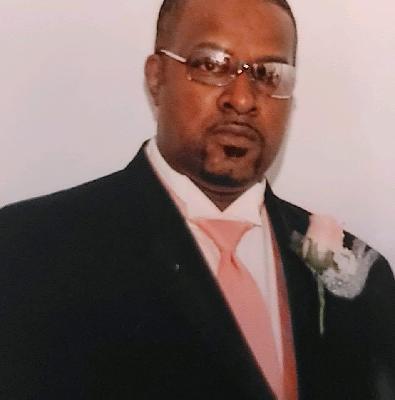
On September 12, 2015, authorities in Kansas City, Missouri, began investigating the homicide of thirty-year-old Martez Marino Diaz. The violent death of the male victim occurred within the city limits, leading to an inquiry that would eventually intersect with a broader federal investigation into narcotics distribution in the area. Diaz was fatally shot, and details surrounding his death remained a point of focus for law enforcement as they pieced together the activities of local criminal networks.
The investigation identified Kimani I. Sterling as the primary suspect in Diaz's death. Information presented in court proceedings revealed that the shooting was allegedly sparked by a dispute over a cocaine transaction. According to testimony provided by Antwanette Howard, a co-defendant in a related drug conspiracy case, Sterling killed Diaz approximately one month before a warrant search was executed at her residence. Howard testified that Sterling used a. 40 caliber handgun to commit the shooting, a weapon described as one he frequently carried. Additionally, a cellmate of Sterling named Mylin Smith later testified that Sterling had confessed to the killing during an argument about the drug trade in April 2018.
While Sterling faced federal prosecution for conspiracy to distribute cocaine and distribution charges, the death of Martez Diaz played a significant role in his sentencing phase. Prosecutors argued that Sterling’s criminal history was under-represented and introduced the witness testimony regarding Diaz's murder to the district court judge. Although Sterling was already serving a state sentence for a separate second-degree murder conviction involving a different victim, Ja'Que Dawkins, the evidence linking him to the killing of Diaz was used to support a sentence enhancement in his federal case. The court ultimately factored in these allegations when determining the severity of his punishment for the narcotics violations.