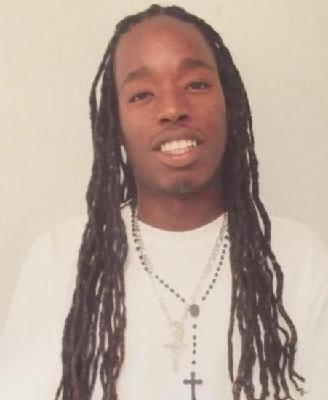
Ronald Jones, 39, was from Kansas City, Missouri, a place with its own rhythms and neighborhoods and tight circles of people who know each other's stories—until a death tears a hole through the ordinary and leaves everyone reaching for what they can't hold onto. When a life ends violently or suddenly, the city doesn't just lose a person; it loses the small, everyday pieces that made that person real: the routines, the familiar routes, the voices that used to answer back.
There is a particular kind of silence that follows a death when the details aren't fully known or aren't widely shared. It's the silence that breeds questions, the kind that circle in the minds of friends and family late at night. What were his last hours like? Who was the last person to see him alive? Was it quick, was it cruel, was it preventable? The imagination fills in what the facts won't, and that can be its own kind of torment—because every possibility is a door that opens onto more pain.
Kansas City is a city that can feel both sprawling and intimate at the same time. Word travels fast, yet certainty can be elusive. Someone always hears something, someone always remembers a detail, someone always carries a fragment of truth they aren't sure matters. In the days after a death, people often try to stitch together a narrative from scraps: a missed call, a tense moment, a rumor that lands wrong, a memory that suddenly feels loaded. Grief makes detectives out of the living, not because they want to pry, but because they want to understand how the world could take someone they loved and keep the explanation.
For those who cared about Ronald, the hardest part isn't just the loss—it's the unfinished sentence the loss leaves behind. A life cut off doesn't come with neat punctuation. It leaves birthdays that will arrive without him, holidays where a chair stays empty, and ordinary moments that can turn into sudden ambushes of memory. The people closest to him are left holding both love and anger at once, trying to make space for sorrow without letting it swallow everything else.
And then there's the question that lingers when answers don't come quickly: who is responsible, and why? When there are no publicly known arrests or a clearly named suspect, it can feel like time itself is slipping away with the truth. It's not only about punishment—it's about naming what happened so it can't keep morphing into something even more frightening in the dark. Closure is a word people reach for, but what they often mean is something simpler and more human: certainty. A straight line from cause to consequence. A way to say, This is what happened, and this is who did it, and this is why he's gone.
Ronald Jones deserves to be remembered as more than a line in a record or a name spoken in the past tense. Even without the full public details, the weight of his absence is real, and it presses into the lives of those who knew him—into their conversations, their fears, their determination not to let him be reduced to a mystery. A synopsis can't restore what was taken, but it can hold the truth that matters most: a man from Kansas City is gone, and somewhere, the story of how and why still exists in the memories of people who were near enough to see it, hear it, suspect it, or live with it.
If this case is ever to be fully understood, it will come from the moment a hidden detail is spoken aloud, a withheld piece is finally shared, or a connection is made that turns noise into meaning. Until then, Ronald's name stays suspended between memory and unanswered questions, carried forward by the people who refuse to let him disappear into silence.