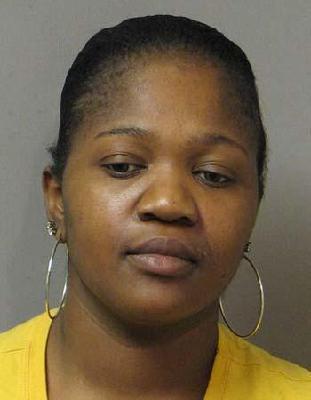
In a tragic turn of events that shook the city of Memphis, Tennessee, Marissa Rene Williams, a 27-year-old African American woman, was killed on March 2, 2008. Her life was cut short in a brutal mass shooting that claimed the lives of six people, an event that would come to be known as the Lester Street Massacre.
The horrific incident unfolded at a house on Lester Street, where an argument between Jessie L. Dotson and his brother, Cecil Dotson Jr., escalated into unimaginable violence.
Jessie Dotson, who had been recently released from prison for a prior murder, fatally shot his brother. In a cold-blooded attempt to eliminate witnesses, he then turned his weapon on others present in the home. Marissa Williams, who was Cecil Dotson's girlfriend, was among the victims, shot five times. The other victims of the rampage included Hollis Seals, Shindri Roberson, and two of Cecil's young children.
In the immediate aftermath, the crime scene was described as one of the most gruesome investigators had ever encountered. The brutality of the act, which did not spare even young children, sent shockwaves through the community. Three other children were also critically wounded in the attack, but they survived. Their courageous testimony would prove crucial in the investigation that followed.
Just five days after the murders, investigators arrested Jessie L. Dotson. The surviving children were able to identify him as the perpetrator, providing the key evidence needed to charge him with multiple counts of first-degree murder and attempted first-degree murder. Dotson's prior conviction for a 1994 murder underscored the violent nature of the crime and brought a sharp focus on the justice system.
The ensuing legal proceedings brought some measure of closure to the victims' families. Jessie L. Dotson was convicted of the murders and received six death sentences, in addition to lengthy sentences for the attempted murders of the surviving children. The Tennessee Supreme Court later upheld these convictions and sentences, ensuring that Dotson would remain behind bars. The case left a lasting scar on the Memphis community, a stark reminder of the devastating impact of violent crime.