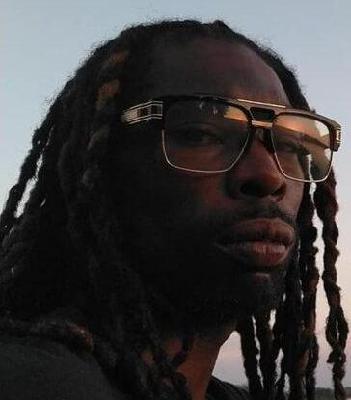
On a cold Saturday, December 3, 2016, the life of Jacquas A. Clark, a 30-year-old Black man from Raytown, Missouri, was tragically cut short by violence in Kansas City. His death was one of many homicides that plagued the city that year, leaving a family and community to mourn a future that would never be realized. The specific circumstances of his death remain shrouded in mystery, a painful and unresolved chapter for those who knew and loved him.
Born and raised with ties to Chicago, Jacquas was remembered by his family with love. Following his death, his loved ones made the sorrowful journey to bring him back to Chicago for his final services and burial, a testament to the deep roots and connections he maintained with his home city. The brief notice of his passing in the local paper marked a quiet end to a life taken too soon, leaving behind unanswered questions and the enduring grief of his family.
The incident that claimed Jacquas Clark’s life occurred somewhere in Kansas City, a sprawling urban landscape that contended with a significant number of homicides in 2016. On that early December evening, law enforcement was called to investigate his death, which was ruled a homicide. The Kansas City Police Department opened an investigation into the killing, a case that would soon grow cold. Detectives were tasked with piecing together the final moments of Jacquas’s life, a difficult endeavor without public cooperation or clear leads.
In the years that have passed since Jacquas Clark was killed, his case has remained unsolved. No suspects have been publicly identified, and no arrests have been made, leaving the investigation open but inactive. His name is listed among the dozens of other unsolved homicides in the Kansas City metropolitan area, a somber roll call of lives ended by violence with no one yet held accountable. For the detectives in the homicide unit, cases like this one are never truly closed, as they await the one crucial tip that could provide a breakthrough.
The lack of resolution in Jacquas’s case underscores a persistent challenge in many American cities, where witnesses may be hesitant to come forward and evidence can be scarce. Each anniversary of his death is a painful reminder for his family of their loss and the absence of justice. They are left to wonder who was responsible for the act of violence that tore a hole in their lives and why it happened.
As of today, the investigation into the murder of Jacquas Clark is stagnant. Law enforcement agencies often rely on the public to solve cold cases, hoping that someone with information, however insignificant it may seem, will eventually come forward. A shift in allegiance, a guilty conscience, or the passage of time can sometimes be the catalyst for a witness to finally speak up. Until that day, the memory of Jacquas is kept alive by those who loved him, while the search for answers continues. Anyone with information about this case is urged to contact the Kansas City Police Department's Homicide Unit or the TIPS Hotline.