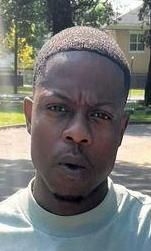
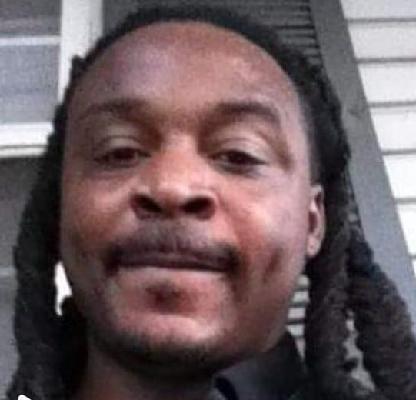
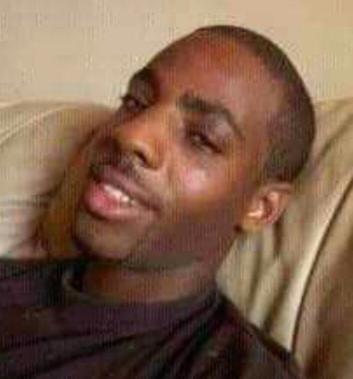
Joshua Tunstall, 35, a Black man, was found shot to death on August 15, 2015, inside a home at 2347 Carnes in Memphis, Tennessee. The night he died, the address became a quiet, tense crime scene—neighbors drawn by flashing lights, officers moving room to room, and the heavy stillness that follows a gunshot long after the sound itself is gone. He was described as a former Marine, a detail that sharpened the contrast between the life he once lived in uniform and the way his story ended back
home.
Investigators soon focused on what witnesses said unfolded just before the shooting. According to a sworn affidavit, people who were there identified Gabriel Johnson as the shooter. They told police the two men had been arguing, the kind of heated confrontation that can turn a room into a powder keg, voices rising until the moment everything changes. In those accounts, the argument didn’t fade or cool; it escalated into violence, and Tunstall was left mortally wounded in the house on Carnes.
Johnson was arrested in connection with the killing and was charged with second degree murder. The charge signaled that authorities believed the death was not an accident or a mystery with no trail to follow, but the result of a deliberate act committed in the heat of conflict. With the affidavit’s witness statements forming the backbone of probable cause, the case shifted from a homicide investigation at a Memphis address to a prosecution centered on what happened between two men in the moments leading up to the gunfire.