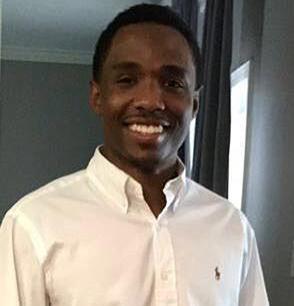
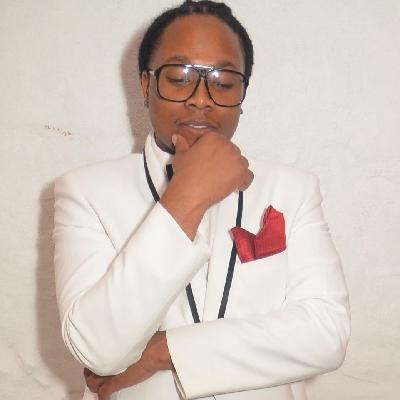
Anthony Beason, 39, a Black man from Memphis, was killed late on September 3, 2016, after a familiar walk in his own neighborhood ended at the edge of a convenience store. He lived close by and, according to testimony later heard in court, it was normal for him to step out at night and head to the nearby store the way other people might step onto a porch for fresh air.
That night, the routine cracked open into panic.
Memphis police were dispatched to a “man down” call and found Beason shot and lying on the sidewalk outside the store area, still clutching an open bag of chips he appeared to have just bought. Reports described him positioned so that part of his body lay on the sidewalk and part in the street, as if he had fallen where he was hit and never made it back to his feet. Investigators recovered. 380-caliber shell casings near the body, and surveillance video from the convenience store captured him making his purchase roughly twenty minutes before the 911 call. A medical examiner later documented gunshot wounds to his abdomen, upper back, and head, ruling the death a homicide.
As detectives tried to stitch together what happened in the minutes between the store counter and the pavement outside, a circle of relationships began to sharpen into a motive. In testimony summarized in the appellate record, Christopher Williams’s girlfriend, Victoria Robinson, told jurors she had heard Williams say days earlier that he was going to “murder” Beason, angered by Beason’s interest in Williams’s sister. On the day of the shooting, Robinson was out of state, but she said she video-chatted with Williams and could see him walking toward a liquor store and then following Beason; she recalled him telling her, “I’m fixing to get ” and said she saw Williams moving alongside his friend Marquez Terry as they trailed Beason on the walk back toward home.
Robinson described the hours afterward as a grim cascade of calls and confessions. She said Williams contacted her again and told her “what all happened,” admitting he had followed Beason, met up with him, and killed him, describing Beason eating chips when the shooting began. Robinson testified that Williams said someone had seen him shoot Beason, that he tried to chase that witness, and then returned to where Beason lay moaning and asking for help—before firing again. She also said Williams video-called her while police cars passed nearby responding to the shooting, and that he talked about disposing of the clothes he had worn.
Police attention turned toward Williams as investigators built the case. A Memphis homicide investigator testified that a family member of Beason later found a gun “slide” in the street—part of a firearm consistent with a. 380 weapon—and that the investigation began to revolve around Williams and Robinson. On October 27, 2016, Williams gave an initial statement after receiving Miranda warnings, claiming he was present but insisting Marquez Terry was the shooter; the investigator noted that Williams referenced the. 380 caliber despite not being told that detail. The next day, Williams reached out again and gave a second, recorded statement in which he described “stalking” Beason, waiting off to the side for him to come out, and then shooting him; he also spoke about perceived disrespect and even commented on disliking the orange-and-white colors he associated with a gang—colors similar to what Beason wore that night.
The legal aftermath stretched for years. In March 2017, news reports said a grand jury indictment charged Williams with first-degree murder in Beason’s killing and also tied him to two armed Family Dollar holdups and an aggravated assault allegation in one of those robberies; the same reports said he was arrested by a Safe Streets Task Force after a tip to Crime Stoppers. At trial, Williams attempted to steer blame back toward Terry and claimed his recorded confession was not true, but the jury convicted him of first-degree premeditated murder and of being a felon in possession of a firearm. The trial court imposed a life sentence for the murder conviction, and an appellate court later upheld the verdict and the admission of his statements into evidence, leaving the conviction and life sentence intact.