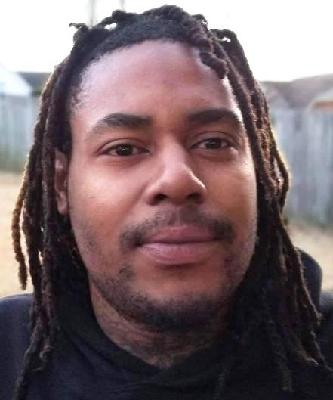
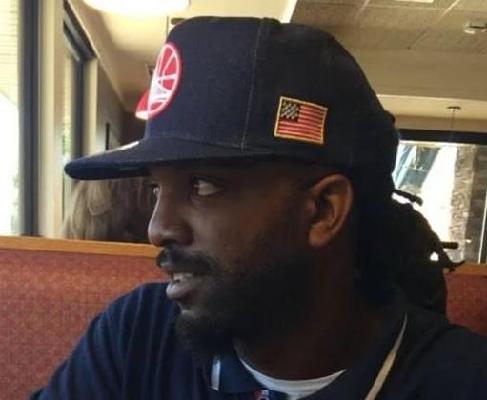
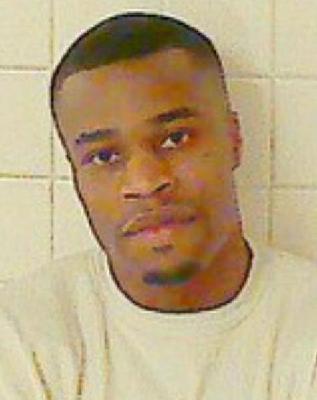
Carlos Antonio “Ceo Los” Whitten Jr., 24, a Black/African American man, died on July 19, 2020, in Memphis, Tennessee, after a gunshot, ending a life that had been building a name in the local music and video scene under the moniker “CEO Los.”
In the days that followed, the details the public could point to were the ones families can hold in their hands: a visitation and funeral arranged through Joe Ford Funeral Home, and a farewell set at Mount Zion Baptist Church on Dellwood Avenue before burial at Pleasant Rest Memorial Gardens. His obituary listed the people who would carry the weight of the loss forward—his children, his parents, his sisters, and an extended circle of relatives and friends—names that read like a roll call of a family suddenly forced to reorganize itself around grief.
Outside of those formal announcements, the story that emerged publicly was less about what happened in the moments that took him and more about what didn’t happen afterward: answers that never seemed to arrive. Nearly two years later, his father stood before the Shelby County Board of Commissioners and said his son had been murdered, describing a growing frustration with what he felt was slow progress and too little communication from investigators.
His mother echoed that same sense of being left in the dark—calling, getting no response, learning the case had shifted hands, and feeling as though the investigation had drifted toward cold. She told commissioners that the family had tried to press for attention through community “Stop The Violence” walks, and she believed time lost early in the case—especially around obtaining surveillance footage—meant critical images were no longer available when police later went looking for them. She also said the family had been told Detective Reginald Walker was overseeing the case at that point.
Publicly available sources reviewed did not name any suspect or report an arrest, charges, trial, or conviction tied to Whitten’s killing. The most concrete public record of movement around the case, as described in the 2022 commission meeting, focused on the family’s struggle to get updates and on the broader demand that their loved one’s homicide be worked with the same urgency they saw in other high-profile cases.
One separate, earlier legal development involving a person named Carlos Whitten, Jr. appears in a U.S. Department of Justice press release dated August 2, 2019, which announced a federal indictment of 18 individuals connected to “Fast Cash Boyz Entertainment” for alleged bank fraud and drug conspiracies; that release emphasized the allegations were accusations and that defendants are presumed innocent unless proven guilty. The press release did not connect that case to Whitten’s death, and no publicly available source reviewed described his homicide as solved.