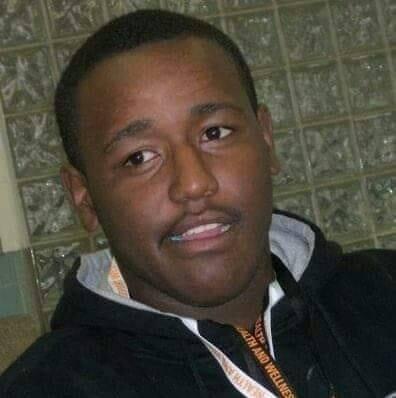
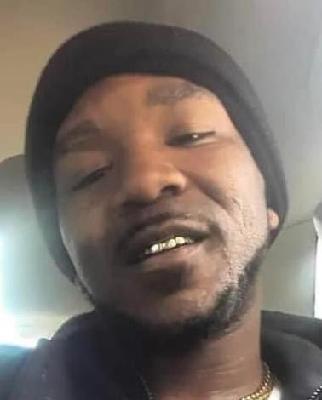
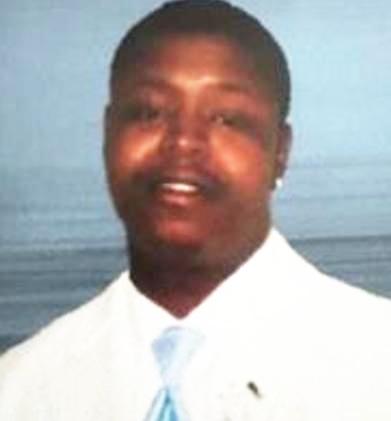
The unsolved murder of Jeremy Dushaun Callaway, a 21-year-old man from Minneapolis, Minnesota, remains a haunting case that has left both his family and local law enforcement searching for answers. Callaway was tragically killed on August 3, 2007, in a shooting that shocked his community. While details surrounding the motive or suspects in the case are sparse, authorities have continued to appeal to the public for any information that might lead to an arrest.
At the time of his death, Callaway was found suffering from gunshot wounds in a south Minneapolis neighborhood. Despite being rushed to the hospital, he succumbed to his injuries. The case has remained cold for years, largely due to a lack of leads or eyewitness cooperation, a common issue in unsolved cases within the city. Law enforcement officials, including those in the Minneapolis Police Department, have emphasized the importance of community trust and cooperation in solving homicides, but in this case, fear of retaliation or distrust of authorities has hindered progress.
Jeremy Callaway's murder is part of a broader pattern of unsolved homicides in Minneapolis, particularly affecting young Black men. The city has struggled with a relatively low clearance rate in homicide cases, particularly during the period from 2007 to 2011, when many murders went unresolved. The community's reluctance to come forward with information, combined with strained relationships between residents and police, has contributed to these unsolved cases.
Despite the challenges, organizations like Crime Stoppers and local advocacy groups continue to push for tips that might help crack cold cases like Jeremy's. Investigators hope that advancements in forensic technology or a future breakthrough in witness testimony may eventually lead to justice for Jeremy Callaway and closure for his family. However, until that day comes, his case remains one of many tragic losses in the city's growing list of unsolved murders.