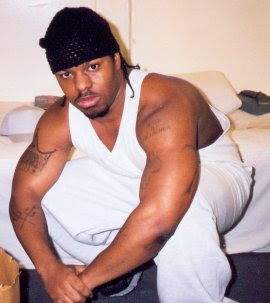
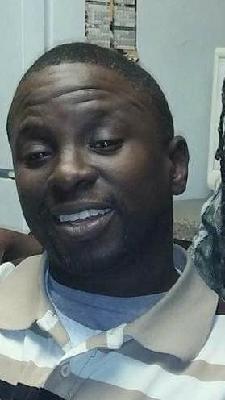
Robert Lenzy Freeman King, a 52-year-old African-American man, was a devoted family man known for his protective nature and love for the children in his life. He and his girlfriend of ten years, Teresa Leanna, shared a home in Minneapolis and were raising three children together. King was also a father figure to Leanna's daughter from a previous relationship. Family members remember him as an outgoing person who made it a point to be active in the lives of his young relatives. He was a frequent and welcome presence at the Jerry Gamble Boys and Girls Club in North Minneapolis, where he loved to play sports with his nieces and nephews and watch them participate in activities.
On the snowy afternoon of Friday, December 5, 2008, King was at home preparing to work security for a friend's concert later that evening. He decided to take a quick break and head over to the nearby Boys and Girls Club. "I'll be right back," he promised Leanna as he walked out the door. Just fifteen minutes later, a frantic phone call shattered her world. A fight had broken out between two groups of young men near the club on Irving Avenue North. In the chaos, gunshots were fired.
King was struck by a single bullet and collapsed on the sidewalk in front of the community center he so often visited with the children he adored. Leanna ran the twelve blocks to the scene, where a friend who worked at the club met her with the devastating news. "No, baby," the friend told her, "He's dead." King was pronounced dead at the scene. The Hennepin County medical examiner later determined that a bullet entered the right side of his back, fatally damaging his lung, a main artery, and his heart before exiting his chest. Another person, a juvenile male, was also shot in the torso but survived with non-life-threatening injuries.
Minneapolis police officers responded to the scene, cordoning off the area as darkness fell and snow continued to cover the ground. In the immediate aftermath, it was unclear what role King played in the altercation. Police spokesman Sgt. Jesse Garcia stated that it was unknown whether King was involved, was an innocent bystander, or was actively trying to intervene. His family, however, had no doubt. Both Leanna and King's brother, Alonzo Bell, were firm in their belief that he was trying to break up the fight. "He always tried to solve everything," Leanna said, describing him as someone who was a big believer in helping youth overcome their obstacles.
The investigation into Robert King's death was handled by the Minneapolis Police Department. In the days following the shooting, police reported that no arrests had been made and the motive for the violence remained unknown. His brother, Alonzo Bell, recalled the horror of arriving at the scene and seeing the body on the sidewalk. "When I looked down at his face, it hit me," Bell said. The family was distressed that authorities left King's body uncovered for a period, a police practice intended to preserve evidence at a crime scene.
The loss was deeply felt by his loved ones, especially his children, who were 7, 9, and 13 at the time. Leanna recalled their heartbreaking questions after she returned home from the scene. "They were crying and upset and asking, was their daddy really dead," she said. The case of Robert King's murder remains unsolved, a painful open wound for a family and community that lost a man who was remembered for his commitment to protecting and guiding the young people in his life. As of December 2008, no suspects had been publicly identified or arrested in connection with his killing.