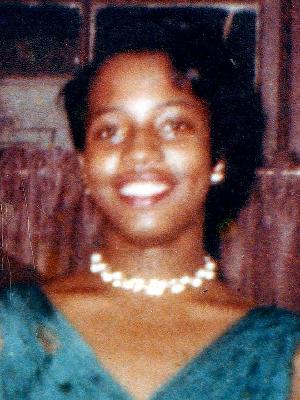
Lillie Belle Mosley Allen, a 27-year-old Black woman, was tragically killed on July 21, 1969, during a period of intense racial unrest in York, Pennsylvania. A mother of two, she was visiting from her home in Aiken, South Carolina, when the car she was in, driven by her sister, inadvertently turned into a white neighborhood where a mob had gathered.
The family was looking for a grocery store when they found themselves on North Newberry Street, confronted by armed members of all-white gangs, including the Newberry Street Boys and the Girarders. As her sister attempted to turn the car around, it stalled on railroad tracks. In a desperate attempt to de-escalate the terrifying situation and get her family to safety, Allen got out of the car, waving her arms and pleading, 'Don't shoot!'. Despite her plea, a barrage of gunfire erupted from the street, rooftops, and windows. She was struck and fatally wounded.
For more than three decades, the murder of Lillie Belle Allen remained an unsolved crime, a painful chapter in the city's history. However, in the late 1990s and early 2000s, renewed interest and a grand jury investigation led to a breakthrough. In the spring of 2001, a series of arrests were made, bringing ten white men to face charges in connection with her death. Among those charged were brothers Robert and Arthur Messersmith, and Rick Lynn Knouse and Gregory Harry Neff, all identified as former members of local white street gangs. The investigation also implicated the city's then-mayor, Charlie Robertson, who was a police officer at the time of the riots and was accused of providing ammunition to the white gangs and inciting violence.
The legal process that followed saw seven of the accused men reach plea agreements, pleading guilty to lesser charges in exchange for their testimony against the remaining defendants. This left three men to stand trial: Gregory H. Neff, Robert N. Messersmith, and Mayor Charlie Robertson. In October 2002, an all-white jury found Neff and Messersmith guilty of second-degree murder. Robertson, however, was acquitted of the charges against him. The convictions of Neff and Messersmith finally brought a measure of justice to the family of Lillie Belle Allen, decades after her life was cut short in a moment of violent prejudice. The case also brought to light a dark period in York's past, forcing a reckoning with the racial tensions that had simmered and exploded in the summer of 1969. The city of York later issued a formal apology to the Allen family and established memorials in her honor.