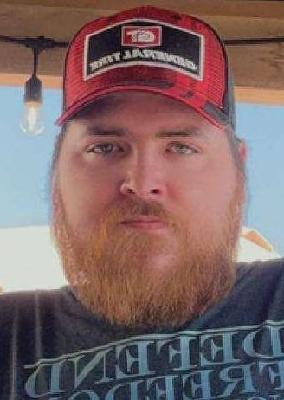
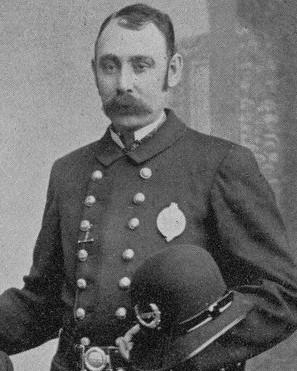
Robert Malarchik, a 37-year-old man from Upper Southampton, PA, was tragically murdered on July 14, 1982. Malarchik was the owner of a swingers' club called "The Woodlands," which he operated with his business partner, Eugene Banks. The two had a falling out over financial matters, specifically the handling of the club's receipts. Banks believed that Malarchik was skimming profits from the club, leading to a series of confrontations between them.
On the night of the murder, Banks hired
two hit men, including William H. "Country" Melson, to kill Malarchik. The plan was to use a syringe filled with cyanide to poison him, but things went awry when Malarchik fought back. During the struggle, the cyanide vial was broken, and Malarchik was shot multiple times by Melson. Despite being shot, Malarchik continued to resist, and the hit men eventually strangled him with an electrical cord. After Malarchik was unconscious, they placed him in a bathtub of water to ensure he was dead.
Eugene Banks was later convicted of first-degree murder for orchestrating the killing of Robert Malarchik. Banks cooperated with the prosecution and provided detailed accounts of the events leading up to and following the murder. He was sentenced to life in prison without the possibility of parole.
The case drew significant media attention due to the nature of the crime and the involvement of a swingers' club. The investigation revealed the extent of the financial disputes and the lengths to which Banks went to resolve the conflict. The trial also highlighted the brutal and premeditated nature of the murder, leading to a conviction that ensured Banks would spend the rest of his life behind bars.
In summary, Robert Malarchik's death was the result of a violent and calculated act driven by financial disagreements and personal animosity. The case remains a stark reminder of the potential consequences of unresolved conflicts and the lengths some individuals will go to settle their disputes.