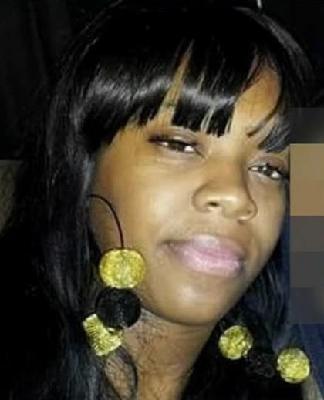
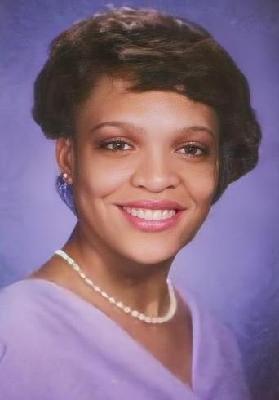
Whylisha Dontae Foreman, a 28-year-old Black/African American female and Chester resident, died on October 12, 2010, in Chester, Pennsylvania. She had been born in Philadelphia and was raised through the Chester Upland School District, later working for McDonald’s and KFC. Those who knew her described her as loving, generous, and steady within her family, the kind of person who would help others even when she had little to give.
The circumstances of her death were sudden and violent.
Foreman was reportedly riding her bicycle in Chester in the early morning hours, around 2:23 a.m., when she was shot in the area of Eighth and Sproul streets. What should have been an ordinary trip through the city became the scene of a fatal shooting, and she was lost to gun violence that same day.
Publicly available information indicates that investigators later focused attention on Terrance Reason as a possible suspect in Foreman’s killing. However, police sources said he was never formally charged in connection with her October 12, 2010 shooting death. No public record located in the available online sources confirmed an arrest, prosecution, trial, or conviction for Whylisha Foreman’s homicide.
Reason’s name surfaced again years later in a separate violent incident in Chester. In January 2015, he was identified as the man who allegedly tried to force his way into a home in the 1100 block of Walnut Street while masked and armed. Police said the occupants tried to hold the door closed, Reason opened fire and struck a man inside, and the wounded occupant returned fire. Reason fled but later arrived at Crozer-Chester Medical Center, where he underwent surgery and died. That separate incident effectively ended any possibility that he would ever face charges if investigators had continued to view him as a suspect in Foreman’s death.
For Foreman’s family, the case appears to have remained without the kind of courtroom resolution that brings a clear public answer. Her obituary and memorial pages preserve the picture of a woman deeply loved by relatives and friends, remembered as “WaWa” by those close to her, while the public record leaves the central question of who killed her unresolved.