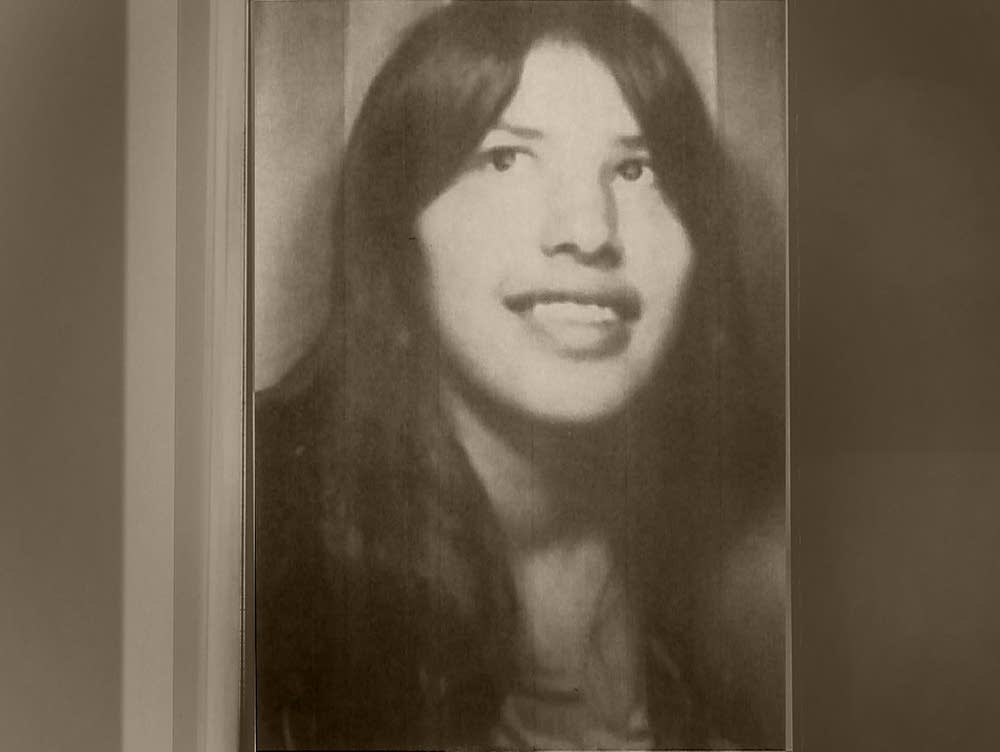
Erin Marie Miller, a 23-year-old woman from Minneapolis, was shot in the head in the early hours of November 16, 2015, after violence erupted around a parked car on the 2800 block of 15th Avenue South in Minneapolis. Police on routine patrol heard gunfire shortly before 2 a.m. and moved toward the sound, only to find a grim scene inside the vehicle: Miller gravely wounded and Frank Leonard Penny already dead from a gunshot wound to the torso.
Miller was rushed to Hennepin County Medical Center, where she died later that night. Public reports from the Hennepin County medical examiner and local news fixed the basic outline of that night quickly, but the reasons behind it were far harder to pin down. 
What gives the case its lingering weight is how little noise there was after the first burst of reporting. Authorities identified the victims within days, and Minneapolis police said there was no indication the shooting was random, a remark that suggested intention without explaining motive. Yet no public account ever filled in who approached the car, how many shooters there may have been, or what confrontation, if any, unfolded in the final moments before the shots were fired. The image left behind is stark: a car in south Minneapolis, a patrol unit hearing gunfire in the dark, and two lives cut down before anyone nearby could stop it. 
Outside the crime itself, the online record shows more of who Erin Marie Miller had been before her death. Her obituary says she was born on April 29, 1992, in Hayward, Wisconsin, to Myron Crone Sr. and Autumn Miller, grew up in Hayward, graduated high school in 2010, and over the years lived in Hayward, Milwaukee, Superior, Rhinelander, and Minneapolis. It also describes a life tied closely to family and community, noting that she loved to dance, traveled with her mother to powwows around the country, and had been named LCO Tiny Tot Princess in 1995 and Miss LCO Princess in 2008. Those details make the brutality of what happened in Minneapolis feel even more jarring, because they place a vivid young woman where the public record of the homicide is otherwise cold and spare. 
As for suspects, arrests, and prosecution, the public trail appears to stop almost where it began. Contemporary reporting stated that no arrests had been made, and I did not find any later online source showing a named suspect, filed charges, a trial, or a conviction tied to Erin Marie Miller’s killing. Minnesota’s public-facing unsolved-case resources continue to present unresolved homicide investigations as active matters needing tips, and the available online reporting on Miller’s death still points to a case that remains unsolved in public view. In story terms, that leaves her death suspended in the same terrible stillness that followed the gunfire: investigators believing it was not random, families left with loss instead of answers, and no publicly identified killer brought into court for what happened inside that parked car.