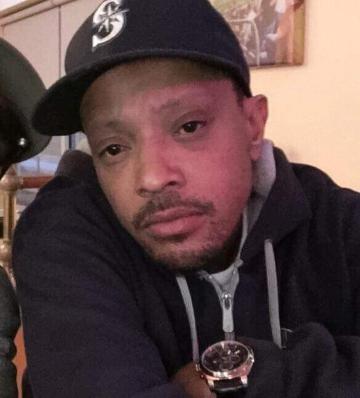
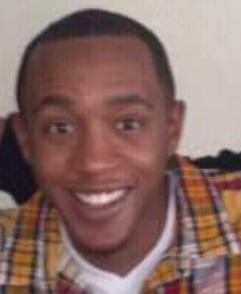
Hosea Lamont Davis, a 37-year-old Black male, was killed on January 20, 2014, in Pittsburgh, Pennsylvania, in a midday shooting that unfolded in the Larimer neighborhood. Reports placed him in or near the 6400 block of Rapidan Way, close to Lowell Street and Victor Way, when gunfire erupted around 12:45 p.m. Police and medics arrived after reports of shots fired and found Davis down in an alley with numerous gunshot wounds to his torso.
He was pronounced dead at the scene shortly afterward.
The shooting was described as especially violent. Investigators said Davis had been shot repeatedly with what was believed to be an assault-style rifle, with at least 16 shots fired. Later court records said an eyewitness saw the shooter continue firing after Davis was already on the ground. Early reporting indicated Davis may have been chased before he was shot, turning the narrow street and alleyway into a sudden scene of panic as people nearby reacted to the gunfire.
Davis’s death drew attention in Pittsburgh because he had been publicly credited less than a year earlier with helping save a teenage girl during a stabbing attack at a Target store in East Liberty. In March 2013, a man attacked shoppers inside the store, and Davis was among those who helped subdue him after a teenager and others were stabbed. That act made Davis known in local coverage as someone who stepped into danger to help someone else, which made the circumstances of his own killing feel even more jarring to those who remembered the Target incident.
Investigators soon identified Rodney Howard Jr. as the suspected gunman. Police said a witness told detectives that Davis had come to Rapidan Way with heroin and that Howard appeared with an AK-style assault weapon and opened fire. The witness said he hid in nearby weeds or bushes until the shooting stopped, then later identified Howard from a photo array. Authorities issued an arrest warrant for Howard, who was described as someone connected to the Larimer area and Pittsburgh’s eastern neighborhoods, and police warned that he should be considered armed and dangerous.
Howard remained wanted for months. On September 18, 2014, members of a fugitive task force arrested him in Baldwin, Pennsylvania. During that arrest, authorities reported finding a large heroin operation inside the home, including thousands of stamp bags of heroin, uncut heroin, and tens of thousands of empty stamp bags. Howard was taken to the Allegheny County Jail and charged in connection with Davis’s killing, including criminal homicide. A separate firearms-related charge was later severed before trial.
The case moved through the courts for several years. A witness named Daniel Ray became central to the prosecution’s case. At trial, Ray testified that he had gone to Rapidan Way to buy drugs, purchased heroin from Davis, heard gunshots moments later, and dove into nearby bushes. From there, he said he saw Howard wearing a gray Champion sweatsuit, Nike Foams, glasses, and a partial face covering while holding an assault rifle. Ray testified that Howard fired additional shots at Davis while Davis was lying on the ground, then walked back through a gate toward his residence. Ray identified Howard for police the day after the killing.
In July 2018, a jury convicted Rodney Howard Jr. of first-degree murder for the killing of Hosea Davis. On July 31, 2018, he was sentenced to life in prison without parole. Howard challenged the conviction and sentence, arguing in part that there were issues involving witness testimony and whether the eyewitness had received favorable treatment in his own criminal case. In 2020, the Pennsylvania Superior Court sent the case back for an evidentiary hearing on that after-discovered evidence claim. After the hearing, the trial court found that the witness had not received a plea deal or favorable treatment in exchange for testifying, and Howard’s life-without-parole sentence was reimposed in 2021. In 2022, the Superior Court affirmed the judgment, leaving Howard’s conviction and sentence in place.