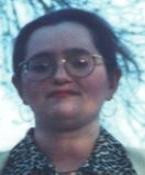
Birdell Beatrice Beeks, a 58-year-old Black woman from Minneapolis, was killed on May 26, 2016, in a burst of gunfire that turned an ordinary drive through north Minneapolis into a nightmare. She was sitting in her minivan with her teenage granddaughter near 21st Avenue North and Penn Avenue North when bullets meant for someone else tore through the intersection.
Accounts of the case describe her as a beloved grandmother and a nurse who was widely known in the community, a woman remembered for her warmth, her laughter, and the deep place she held in her family’s life. What made her death especially haunting was its randomness: she was not part of the conflict that exploded around her, only caught in its path at the worst possible second. Her killing quickly became one of those cases that carried grief far beyond one family, because it seemed to embody the fear that violent street feuds could swallow innocent people without warning. 
Investigators said the shooting grew out of gang rivalry. According to court and news reports, a rival gang member’s vehicle had been spotted in the area, and Joshua Chiazor Ezeka armed himself and opened fire from about 30 yards away, sending nine shots toward that vehicle. Some rounds struck the intended target’s car, but at least one struck Beeks instead. Police arrested Ezeka in January 2017, months after the shooting, and prosecutors charged him in connection with her death. Another man, Freddy Lee Scott, was also arrested and charged as an accomplice after authorities said he alerted Ezeka to the rival gang member’s presence and helped him leave the scene afterward. The case drew intense attention not only because of Beeks’ death, but because it exposed how retaliatory street violence could unfold in broad daylight with families nearby, leaving detectives to sort through fear, silence, and the danger that often shadows gang-related witnesses. 
The prosecution against Ezeka ended in a conviction. A Hennepin County jury found him guilty in 2018 of first-degree premeditated murder, along with attempted murder and assault charges tied to the same shooting, and he was sentenced to life in prison without the possibility of release for the murder of Beeks, with additional consecutive prison terms on the other offenses. His case went up on appeal, but the Minnesota Supreme Court upheld the convictions, while later proceedings addressed sentencing issues on one of the non-murder counts. Through all of that, Birdell Beeks’ name never faded from public memory. Her family kept speaking, organizing, and reminding the city that behind every court filing and every gang label was a woman who should have made it home that evening, a grandmother whose final chapter was written by other people’s violence.