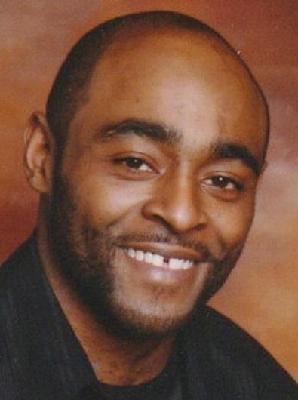
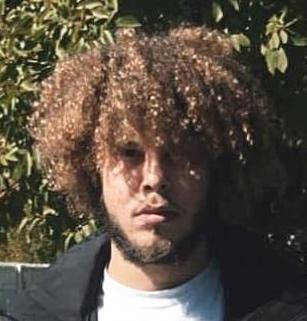
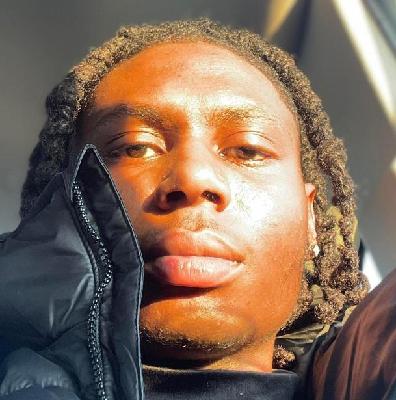
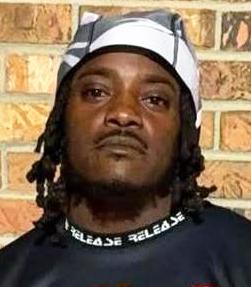
Harry Kennedy Jr., a 49-year-old Black / African American male from Farrell, Pennsylvania, lost his life in a way that turned an ordinary home on Wallis Avenue into the center of a homicide investigation. He was found inside a residence in the 500 block of Wallis Avenue after authorities were called to the scene, where they discovered he had suffered an apparent gunshot wound.
What began as an emergency response soon became something much heavier: the death of a man whose final moments were believed to be tied to a violent robbery plot that ended in gunfire.
Kennedy’s death was ruled a homicide by the Mercer County Coroner’s Office, with the cause identified as a gunshot wound. The details that emerged painted a painful picture of a man who was not simply found dead, but who had become the victim of a planned act of violence. Investigators came to believe that the shooting happened during an attempted robbery, with the target allegedly being cash and narcotics inside the home. Instead of ending with stolen property, the encounter ended with Kennedy’s life being taken.
The home where Kennedy was found became the focal point of the investigation. Authorities worked to piece together who had been there, what had been planned, and how the situation escalated into a killing. As the investigation unfolded, police identified Gerald Allen Frank, 27, of Pittsburgh, as one of the suspects. Investigators said Frank came under scrutiny after allegedly giving false statements to state troopers. Police later accused him of being involved in the plan to steal from Kennedy, and he was arrested the next morning. Frank was placed in the Mercer County Jail and was reported to be facing serious charges, including criminal homicide, conspiracy to commit robbery, and theft.
A second man, Desmond Dwayne Greene, 24, of Sharon, was also arrested in connection with Kennedy’s death. Police accused Greene of participating in the fatal home invasion and said he had been attempting to rob Kennedy inside the Farrell residence. Greene was arraigned on charges that included murder, aggravated assault, conspiracy to commit robbery, conspiracy to commit burglary, criminal attempt to commit robbery, criminal attempt to commit burglary, and unlawful possession of a firearm. He was lodged in the Mercer County Jail without bond after his arrest.
Behind every charge and every court filing was the reality that Kennedy was gone. His name became part of a criminal case, but he was more than the circumstances of his death. He was a person from Farrell whose life ended suddenly and violently inside a home, leaving loved ones with grief, unanswered questions, and the burden of knowing that his death may have come during a calculated attempt to take something from him. The allegations surrounding the case suggest that Kennedy was placed in danger by people who entered that situation with criminal intent, and that intent turned deadly.
The case carried the familiar heartbreak of a homicide investigation: a family forced to mourn, a community left shaken, and police working backward from a life lost to determine responsibility. For those who knew Kennedy, the details of arrests and charges could not undo what happened. They could only mark the beginning of an effort to hold someone accountable. The allegations against Frank and Greene showed that authorities believed Kennedy’s death was not random, but the outcome of a robbery scheme that spiraled into lethal violence.
Public information available for the case identifies Frank and Greene as suspects and details their arrests and charges, but it does not establish a confirmed conviction, trial outcome, sentence, or final punishment for either man in connection with Kennedy’s death. What remains clear from the available account is that Harry Kennedy Jr. died after being shot during an alleged robbery-related home invasion in Farrell, and that two men were accused of playing roles in the events that led to his death. His story stands as a reminder that behind every homicide case is a person whose life mattered, whose absence left a wound, and whose final moments deserve to be remembered with care rather than reduced only to the violence that took him.