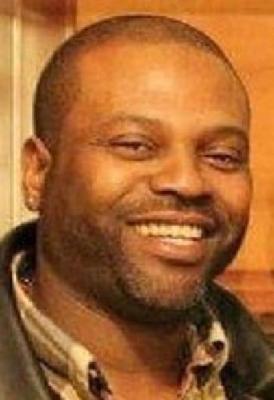
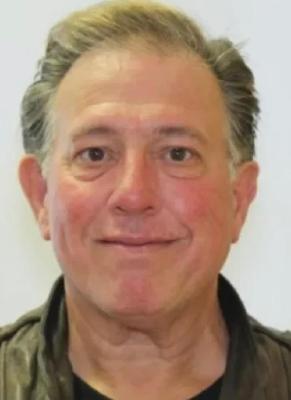
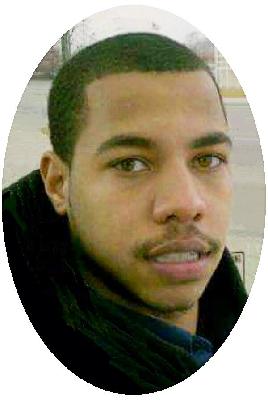
Joseph Bythewood, a 59-year-old African American man from Columbus, OH, died on September 10, 2015. Bythewood was a well-known musician and producer, often referred to as "JB Money". He was involved in the local music scene and had a significant impact on many artists.
The circumstances surrounding his death were tragic and involved his son, Joseph T. Shine-Johnson. Shine-Johnson, who was 28 years old at the time, was charged with the murder of his father.
According to Shine-Johnson, the incident occurred during an argument over money that he had loaned to his father. He claimed that Bythewood pulled a knife on him and then pointed a shotgun at him, prompting Shine-Johnson to retrieve another shotgun from the basement. He then shot his father from the backyard as Bythewood stood in the kitchen doorway.
The case went to trial, and Shine-Johnson maintained that he acted in self-defense. However, the jury rejected his claim and convicted him of murder and tampering with evidence. He was sentenced to 19 years in prison, with four years added for using a firearm. The court found that Shine-Johnson's actions were not justified as self-defense, and he was held accountable for his father's death.
The trial revealed conflicting testimonies from witnesses, including Bythewood's live-in girlfriend, Maureen Quinn. Quinn testified that Bythewood was unarmed when he pushed his son out the door into the backyard and that everyone in the house knew the shotgun Bythewood had was inoperable. Shine-Johnson's defense attorney argued that his client was facing a father's rage and acted in response to a perceived threat.
The case drew significant attention in the local community, with some people describing Bythewood as a bully who often waved a gun around the neighborhood. Despite his accomplishments as a musician, his behavior had caused fear among those who knew him. Shine-Johnson's sister also spoke out during the trial, describing their father as someone who had a history of aggressive behavior.
Ultimately, the court's decision brought some closure to the family, although the emotional impact of the loss and the trial's proceedings continued to affect them. Shine-Johnson expressed remorse for his actions and stated that he did not intend to kill his father. The judge acknowledged that Shine-Johnson would still have a lot of life ahead of him after serving his sentence and hoped that the families could find some peace.
This tragic incident serves as a reminder of the complexities and emotional toll of family conflicts, especially when they escalate to such a devastating level.