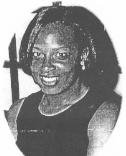
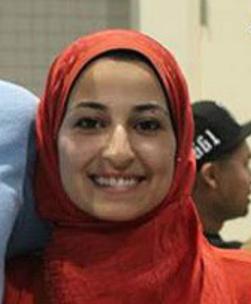
On February 10, 2015, Razan Mohammad Abu-Salha, a 19-year-old female of Middle Eastern descent, was tragically killed in Chapel Hill, North Carolina. Razan, along with her sister Yusor Mohammad Abu-Salha, 21, and Yusor's husband Deah Shaddy Barakat, 23, were shot to death in their home at the Finley Forest Condominiums on Summerwalk Circle. The perpetrator, Craig Stephen Hicks, a neighbor, turned himself in to the Chapel Hill police later that day and was arrested.
The Chapel Hill Police Department initially stated that the crime was motivated by an ongoing neighbor dispute over parking.
Hicks was charged with three counts of first-degree murder and one count of discharging a firearm into an occupied dwelling. On February 16, 2015, he was indicted by a Durham County grand jury on these charges. The Federal Bureau of Investigation and the United States Department of Justice also launched their own investigations into the shooting. However, federal authorities could not find sufficient evidence to charge Hicks with a hate crime.
The trial was scheduled to take place in the summer of 2019. On June 12, 2019, Hicks pleaded guilty to the murders and was sentenced to three consecutive terms of life imprisonment without the possibility of parole. The case drew significant attention and sparked debates about whether the murders were hate crimes, given the victims' Muslim faith and Middle Eastern descent. Despite the family's efforts to have the crime classified as a hate crime, North Carolina's legal system did not have a statute that would apply to first-degree murder in this context.
The tragic deaths of Razan Mohammad Abu-Salha, Yusor Mohammad Abu-Salha, and Deah Shaddy Barakat left a profound impact on their community and highlighted the complexities of hate crime legislation in the United States. The case remains a poignant reminder of the need for continued dialogue and legal reforms to address bias-motivated violence.