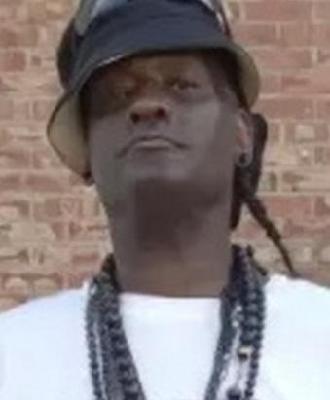
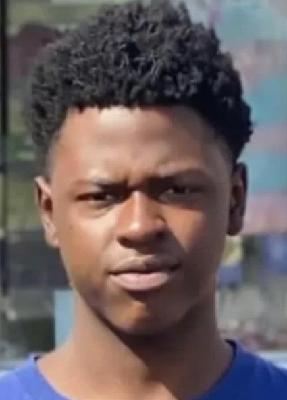
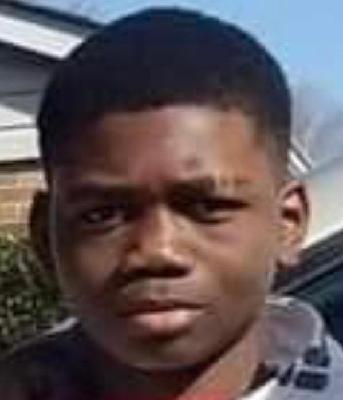
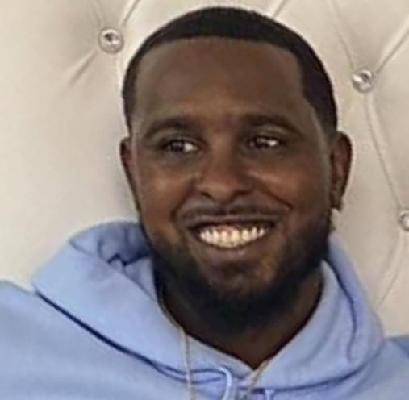
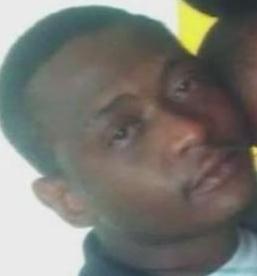
Charles Anthony Thompson, a 49-year-old African American male, tragically lost his life on November 17, 2015, in Gastonia, North Carolina. The incident occurred in the afternoon, around 4:30 PM, when police were called to the 300 block of Allison Avenue. Upon arrival, officers found Charles Anthony Thompson unresponsive, having suffered a fatal gunshot wound.
Despite efforts to save him, he was pronounced dead at the scene.
The investigation into Charles Anthony Thompson's death led to the arrest of two individuals. Anthony Anton Sanders, a 51-year-old male, was charged with first-degree murder. Travis Antonio Davis, a 30-year-old male, faced charges of accessory to first-degree murder and possession of a firearm by a felon. The arrests were made shortly after the incident, and both suspects were taken into custody without incident.
The case garnered significant attention in the local community, as it highlighted issues of gun violence and crime in Gastonia. The investigation revealed that the shooting was not a random act of violence but rather a targeted attack. The motive behind the murder was not immediately clear, but authorities continued to gather evidence and interview witnesses to build a strong case against the suspects.
In the aftermath of the tragedy, Charles Anthony Thompson's family and friends mourned the loss of a beloved individual. Memorial services were held to honor his memory, and the community came together to support his loved ones during this difficult time. The legal proceedings against Anthony Anton Sanders and Travis Antonio Davis moved forward, with both suspects facing serious charges that could result in lengthy prison sentences if convicted.
The death of Charles Anthony Thompson serves as a stark reminder of the devastating impact of gun violence on individuals and communities. It underscores the importance of continued efforts to address and prevent such tragedies, ensuring that justice is served for the victims and their families.