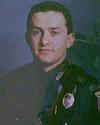
In the pre-dawn hours of November 8, 1931, in the quiet town of Pocahontas, Arkansas, the 31-year-old male night marshal, Albert Manley Jackson, was making his rounds. His diligence would prove fatal. He happened upon a suspicious vehicle and, as a matter of routine, began to jot down its license plate number. This simple act of duty sealed his fate, for the car's occupants were members of the notorious Barker-Karpis Gang, who were scouting for places to rob.
Before he could react, Fred
Barker emerged from the vehicle and forced Marshal Jackson into the car at gunpoint. With his fellow gang members, William Weaver and possibly Alvin Karpis, Barker drove the marshal several miles out of town. There, in a secluded spot, Jackson's life was ended with multiple gunshots to his back from a. 45 caliber pistol. His body was discovered the following day by a couple who had pulled over on the highway. Albert Jackson left behind a wife and two daughters.
The initial investigation into the murder led to the arrests of two local men, Lige Dame and Earl Decker. Under pressure, Dame confessed to the killing and implicated the Pocahontas Chief of Police, John G. Slayton, claiming he had been hired for the murder. Despite the dubious nature of the confession, which Dame would later repudiate on several occasions, both he and Decker were convicted of the crime. For decades, the official record held that justice had been served, albeit with a lingering shadow of doubt and a strange tale of a lawman hiring criminals to kill another.
It wasn't until forty years later that a more accurate account of that fateful November night came to light. In 1971, Alvin Karpis, a core member of the Barker-Karpis Gang, published his autobiography. In it, he detailed the events surrounding Marshal Jackson's death, revealing that it was Fred Barker who had committed the murder. This revelation, coming long after the deaths of those involved, marked the true beginning of the Barker-Karpis Gang's violent legacy, with Marshal Jackson being their first known murder victim. The story of Albert Jackson's death is a chilling reminder of the ruthlessness of Depression-era outlaws and a somber tale of a wrongful conviction that stood for decades.