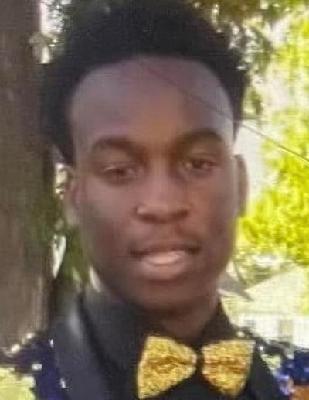
Tony Nelson was only 24 when his life ended, a young man from Detroit whose story now feels defined by an absence that can’t be filled. He was a Black male, and even in the bare facts, there’s a weight to his name—because a name like his belongs to someone who had routines, favorite places, people who expected him to call back, and a future that still should have been unfolding. Whatever his days looked like right before everything changed, they mattered, and so did the moments that came before the end.
There is something uniquely painful about a death that leaves more questions than answers in the public eye. When details aren’t widely shared, it doesn’t make the loss smaller—it can make it lonelier, like the story is trapped behind closed doors while the people who loved him are left standing outside, holding grief that has nowhere to go. In those situations, the community often carries a double burden: mourning the person who is gone, and also wrestling with the uncertainty of what exactly happened and why.
If there were people who knew Tony best, they would tell you he wasn’t a headline or a statistic. He was a son, a friend, a presence in someone’s day-to-day life. Someone somewhere has memories that still feel vivid—his voice, his expressions, the way he moved through familiar streets. When a young life ends, the loss ripples outward, touching family members who can’t sleep the same, friends who replay conversations, and neighbors who feel the uneasy reminder that violence can reach into ordinary lives without warning.
With the information available here, there are no confirmed public details to share about arrests or identified suspects. That doesn’t mean there were none; it means that, based on what you’ve provided, the only honest thing to do is not invent what isn’t known. But the lack of publicly stated answers does not dull the need for them. The people who cared about Tony would still want the truth brought into the light—someone to be held responsible if wrongdoing was involved, and the full story told with the seriousness it deserves.
What remains, even in the quietest telling, is the human truth of it: Tony Nelson is gone, and he should still be here. A 24-year-old should be planning, building, laughing, making mistakes, starting over, and finding their place in the world. Instead, the people who loved him are left with the ache of a life interrupted. And the story, as it stands with only these few details, feels like an unfinished sentence—one that deserves to be completed with clarity, accountability, and care for the person at its center.