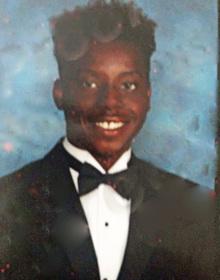
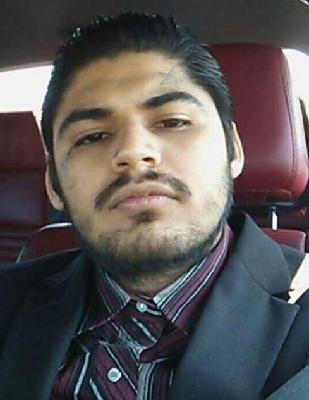
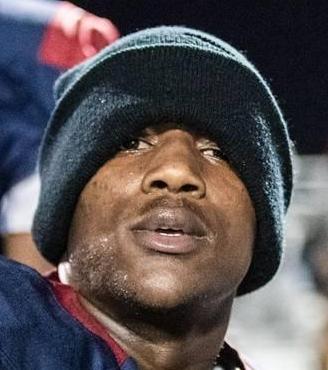
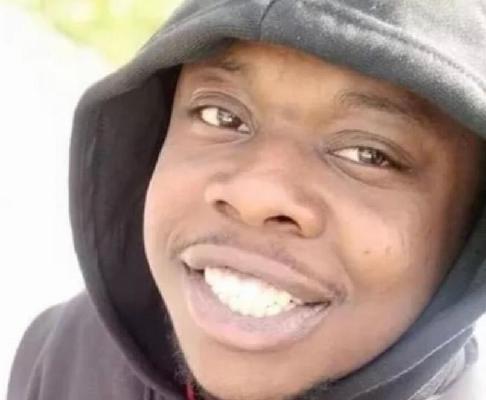
On June 17, 2017, Shamar Rashad Wilson, a 37-year-old African American male, was tragically killed in a shooting incident outside Frankie’s Pizza and Alessio’s Lounge in Hickory, North Carolina. The incident occurred around 2 a.m. in the parking lot of the establishment. Wilson, who had been a patron of Alessio’s Lounge prior to the shooting, was found with a gunshot wound and was transported to Frye Regional Medical Center, where he later succumbed to his injuries.
The shooting did not appear to be random, and there was no known connection between Wilson and the suspect at the time of the incident.
Following the tragic event, Bradley Dwayne Davis, a 41-year-old male, was arrested and charged with the murder of Shamar Rashad Wilson. Davis turned himself in to the Hickory Police Department on June 20, 2017, and was assigned an attorney. His first court appearance was scheduled for July 11, 2017. No bond was set for Davis, and the investigation revealed that the shooting was not a random act of violence.
The case also brought attention to the issue of negligent security at the establishment where the shooting occurred. Legal experts suggested that the family of Shamar Rashad Wilson might have grounds to pursue legal claims for wrongful death if it was found that the property owners failed to provide adequate security to protect patrons from foreseeable harm. The Murray Law Firm, which has a successful record in handling security negligence claims, indicated that a thorough inspection of the property and preservation of evidence would be crucial in pursuing such a case.
The tragic death of Shamar Rashad Wilson highlighted the need for improved security measures at public establishments to prevent similar incidents in the future. The legal proceedings and investigations surrounding the case aimed to bring justice for Wilson and his family while addressing the broader issue of safety and security in public spaces.