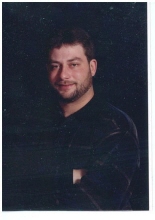
In the summer of 2015, the city of Detroit was marked by another unresolved tragedy with the death of 63-year-old Ronald Jones. On July 19th, Jones was found dead under circumstances that led authorities to classify his death as a homicide. The specific details of how he was killed or the events leading up to his death have not been made public, leaving a void in the narrative of his final moments.
His case quickly became one of the many cold cases that linger in the city's files.
The investigation into Ronald Jones's murder has yielded no arrests and authorities have not named any suspects. His death is emblematic of the struggles faced by law enforcement in a city with a high volume of violent crime and limited resources to dedicate to each case. The lack of witnesses willing to come forward and the absence of significant evidence have left investigators with few leads to pursue. His case is now in the hands of the Detroit Police Department's Cold Case Unit, which periodically revisits unsolved homicides in the hopes that new forensic technologies or new information will emerge.
Years have passed since Ronald Jones's life was cut short, and his case remains a somber statistic in a city grappling with unsolved violence. For his family and community, the absence of justice and closure is a persistent ache. The story of his death is one without a final chapter, a poignant example of the many lives lost in Detroit where the search for answers continues long after the headlines have faded. The case highlights the broader challenge of securing resolutions for victims of homicide in overburdened urban environments.