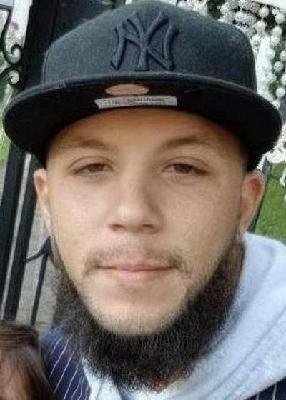
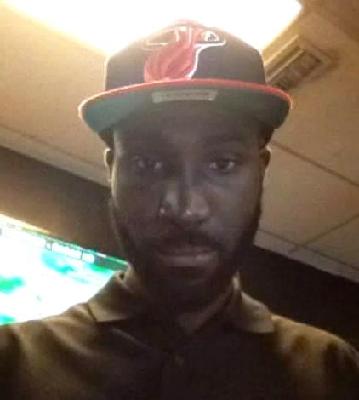
In a neighborhood known for its high crime rates in New Orleans, Louisiana, the life of 28-year-old Michael Dwayne Johnson, an African American male, was cut short on the night of March 11, 2013. Johnson, a father to one son, was found with multiple gunshot wounds, leaving behind a grieving family and a community searching for answers. The New Orleans Police Department immediately launched an investigation into the homicide.
In the initial stages of the investigation, information was hard to come by. Witnesses in the area reported hearing the distinct sound of gunshots piercing the night air, followed by the sight of a dark-colored vehicle speeding away from the scene. With little else to go on, the case remained shrouded in mystery. The investigators worked diligently, pursuing every possible lead in their quest for justice for Michael Dwayne Johnson and his family.
A significant breakthrough in the case came when a witness bravely came forward with crucial information. This individual, whose identity was kept confidential for their safety, connected the murder to a local gang. The witness alleged that Johnson had been embroiled in a dispute with the gang over a drug deal that had gone sour. This new information provided a motive and a clear direction for the investigation, pointing toward specific individuals within the criminal organization.
Based on the witness's testimony and further police work, two suspects, both known members of the local gang, were identified and arrested. The district attorney's office brought charges of first-degree murder against the two men, and the case proceeded to trial in the Louisiana Court of Appeal, Fourth Circuit. The trial garnered significant media attention, highlighting the pervasive issue of gang violence in the city of New Orleans.
During the highly publicized trial, the prosecution presented a compelling case, weaving together witness testimonies and forensic evidence that implicated the two suspects in Michael Dwayne Johnson's murder. The defense attorneys argued that the evidence was largely circumstantial and that the prosecution had not met the burden of proving their clients' guilt beyond a reasonable doubt. Despite their efforts, the jury was convinced by the prosecution's case and returned a guilty verdict for both defendants on the charge of first-degree murder. The court subsequently sentenced both men to life in prison without the possibility of parole, ensuring that they would be held accountable for their violent actions.