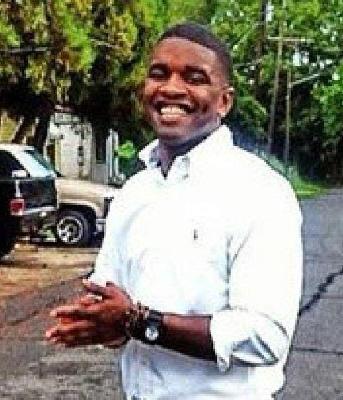
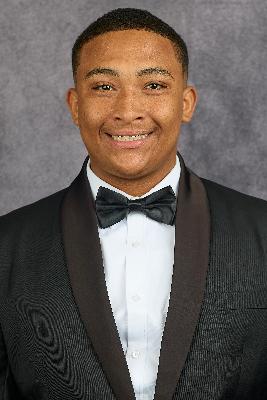
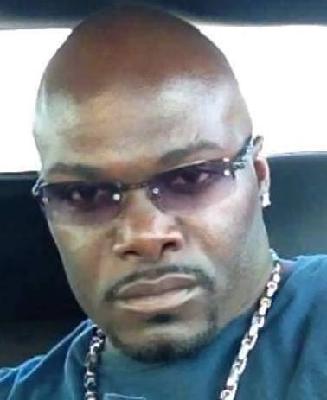
Keifer Johnson Sr., a Black / African American man, was 28 when his life ended in Baton Rouge in the days leading up to Christmas 2016. The violence that took him unfolded late in the year, in a part of town where homes sit close together and the night can feel deceptively ordinary until something shatters it. Accounts tied to the case place the fatal shooting on December 21, 2016, with some public memorial listings recording the loss as December 22, a one-day difference that often happens when
a death occurs overnight or when early reporting and later records don’t match perfectly.
Police were called to a trailer park on Victoria Drive near the intersection of Winbourne Avenue and Airline Highway. Investigators said Johnson was found out on the road, struck multiple times by gunfire. There was no ambulance ride to the hospital, no frantic rush through emergency-room doors—he was pronounced dead at the scene, leaving the road itself as the final place where help arrived and where answers were supposed to begin.
In the immediate aftermath, what remained clear was what investigators did not yet know. They said they had not established a motive, a gap that can hang over a case like a fog, leaving family and neighbors to replay small moments and wonder what mattered in the hours before the shots. The setting—a residential trailer park only days before families would gather for the holidays—made the killing feel especially abrupt, as if the season’s familiar rituals had been interrupted mid-breath.
Police later announced an arrest. Julius Bess, 28, was taken into custody and booked on a murder charge connected to Johnson’s death. The arrest placed a name and a face into the space where fear and speculation often grow, but it did not fill in the “why.” Even after the charge was filed, investigators stated they still had not established a motive for the shooting, leaving the story’s center—what drove the confrontation, what sparked the gunfire—unanswered in the public record tied to the arrest.
Away from the investigative updates, the life Johnson left behind was described in the way families tell the truth of someone they loved: through the people who depended on him and the plans that were supposed to become real. He was remembered as a father of four sons and as a man who was preparing to marry his fiancée, Charlene Everidge. A memorial service was planned for December 27, 2016, at Kingdom Life Family Center on Airline Highway, a gathering that would carry his name in prayers and stories while the legal case moved forward elsewhere, under fluorescent lights and case numbers.