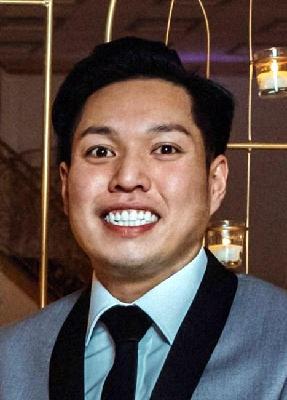
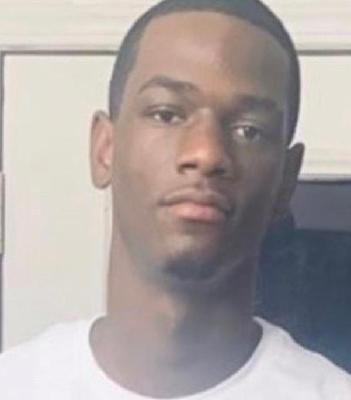
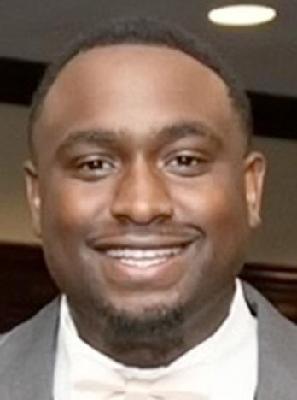
Joseph Esposito, a 29-year-old Hispanic man, was shot on August 1, 2017, in New Orleans’ Lower Ninth Ward, in an eruption of violence that began with a frantic call for help and ended in a hospital room. Just before 6 p.m., officers were dispatched to the 1000 block of Tupelo Street on a report of an aggravated battery by shooting. Inside a residence, they found him suffering from apparent gunshot wounds.
Paramedics rushed him from the house to an area hospital, but the injuries were too severe, and he died after arrival.
As detectives worked the scene and chased the first threads of the case, they learned the bloodshed hadn’t stopped with him. Investigators determined there was a second victim connected to the same incident—someone who did not wait for an ambulance, but instead reached an area hospital by private vehicle, seeking treatment for gunshot wounds. The presence of that second victim reframed the night as a double shooting, with survivors and witnesses scattered between a crime scene and an emergency room, and the story of what happened on Tupelo Street split across multiple locations and accounts.
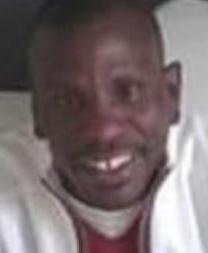
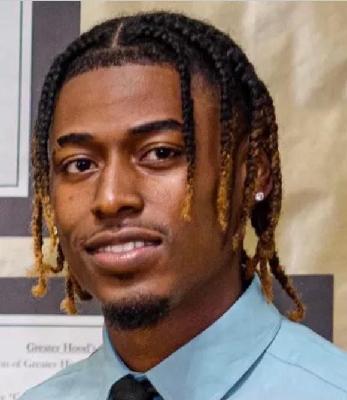
In the days that followed, the New Orleans Police Department said homicide detectives were able to identify a suspect. On August 11, 2017, police announced they had obtained an arrest warrant for Errol Roberts, naming him as the perpetrator they believed responsible for the fatal shooting. The department said that, once located, Roberts would be arrested on charges of second degree murder and aggravated battery. The announcement read like a turning point—an identified target after the fog of the first hours—yet it also underscored what still remained unresolved: the suspect was not in custody at the time of that public update, and authorities were asking anyone who knew where he was to come forward.
Beyond the official language of warrants and charges, those who loved Esposito described a man remembered for stepping forward when others needed help. In an obituary published after his death, he was called “Lil Joey,” and his family said his life was taken while he defended friends during a home invasion, portraying his final moments as an act of loyalty and protection rather than helplessness. In that telling, the violence that reached him was not random—it arrived at a doorstep, and he met it standing between danger and the people beside him.