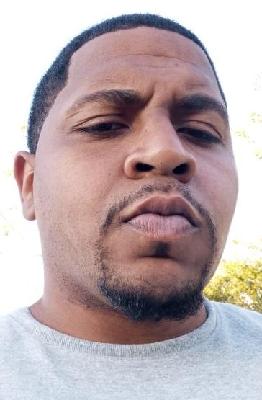
In the late summer of 2020, the life of Romero G. Butler Jr., a 33-year-old African American man, was tragically cut short in New Orleans, Louisiana. On August 22, Butler fell victim to a fatal act of gun violence, a grim event that would be classified by authorities as a homicide. The incident prompted an immediate and thorough investigation by local law enforcement, who worked diligently to piece together the circumstances that led to his untimely death.
As the investigation
progressed, the authorities were able to identify several individuals believed to be connected to the murder of Butler. These breakthroughs led to a series of arrests, with multiple suspects taken into custody. The individuals apprehended faced serious charges, including murder, as the evidence gathered by investigators pointed to their alleged involvement in the violent act that ended Butler's life. The case then moved into the judicial system, where the evidence and testimonies were to be presented and scrutinized.
The legal proceedings that followed the arrests were closely watched. The prosecution laid out its case, built upon the foundation of the police investigation, which included forensic evidence and witness accounts. The suspects, throughout the ensuing trial, were given the opportunity to present their defense against the grave charges they faced. The trial was a significant event, drawing attention to the persistent issue of violent crime within the community. The outcome of these legal battles would ultimately determine the accountability for Romero G. Butler Jr.'s death and bring a measure of resolution to his family and the community shaken by his loss.