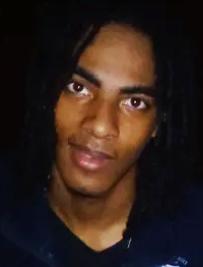
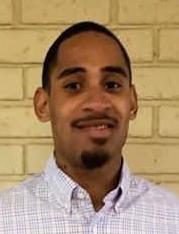
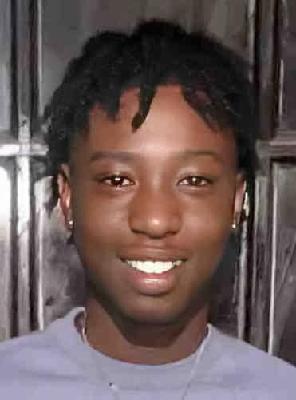
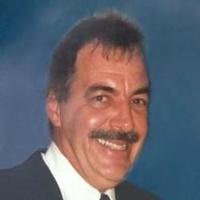
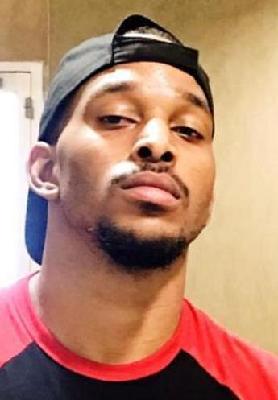
John Mitchell Sinegal Jr., 23, a Black man from Lafayette, Louisiana, was shot and killed in the early hours of April 9, 2021, after violence erupted at Bourgeois Park on Coliseum Boulevard beside the University of Louisiana at Lafayette. University police were called to the park around 2:11 a.m., but by the time officers arrived, Sinegal had already been rushed to Ochsner Lafayette General Medical Center, where he was pronounced dead.
Investigators described the scene as a gathering that turned tense and then deadly, leaving family and friends scrambling for answers as the park lights went quiet again.
As detectives worked the case, the story that surfaced was not of a random attack, but of a confrontation that spiraled out of control with multiple people caught in the blast radius of the gunfire. Police alleged that more than one person was involved and that others were put in danger during the shooting, reflected in later filings that included multiple attempted-murder counts alongside the homicide charge.
Within a week, authorities announced the first major break: Jayvien Jawane Mallery, 20, was arrested in St. Martin Parish and booked in Lafayette as a principal to second-degree murder, with three counts of attempted first-degree murder and a charge of carrying a firearm on school property also listed. At that point, investigators were still searching for another suspect, and the case remained in motion, with the park and the surrounding campus community absorbing the shock while police asked the public for information.
Days later, the net widened. Police said Tyquan Trekel Marshall, 22, turned himself in and was booked on one count of second-degree murder, three counts of attempted first-degree murder, and carrying a firearm on school property. Investigators also reported the arrest of Zykeivrik Jaudan Narcisse, 21, who was taken into custody in connection with the case and faced accessory-after-the-fact charges tied to second-degree murder and the attempted-murder allegations. The arrests gave the investigation names and faces, but they could not restore what was taken—only mark the point where grief began sharing space with the long, grinding machinery of criminal court.