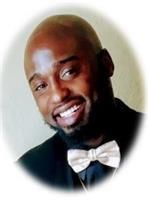
On March 19, 2022, the evening in New Orleans carried on until violence cut through the Plum Orchard neighborhood. Kayvon Le Blanc, an 18-year-old male, had been shot, and somehow he was rushed to a hospital in a private vehicle rather than by ambulance. Police later traced the moment of harm back to the 4500 block of Dodt Avenue, where the shooting was believed to have happened.
At about 5:39 p.m., officers were called to the hospital for a report of a gunshot wound victim arriving by private conveyance. By the time they reached him, it was too late; he was pronounced dead at the hospital. Investigators then worked backward—collecting what they could, trying to stitch together where he had been, who had been around him, and what might have led to the gunfire.
In the days that followed, the Orleans Parish Coroner’s Office identified him as the man who had been fatally wounded in that Dodt Avenue shooting, and police confirmed they were treating the death as a homicide. The accounts that emerged publicly left key pieces missing: no motive laid out, no clear narrative of how the encounter began, and no description of the shooter’s path away from the scene. What remained was the stark outline of a young life ending after a hurried drive to a hospital and the quiet return of detectives to a block of homes to look for answers.
As of the publicly available reports tied to this case, police statements emphasized that investigators were still gathering evidence and information to identify whoever was responsible. No arrests, named suspects, or announced charges were described in those sources, only requests for the public to come forward with anything that might point detectives toward the person or people who fired the shots.