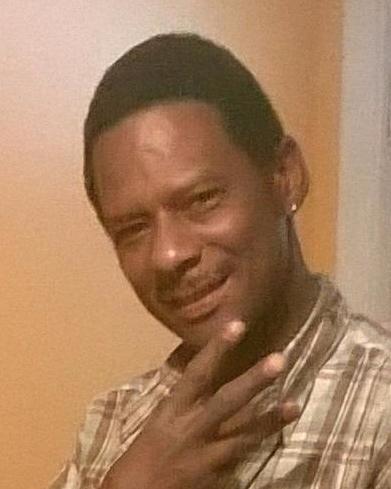
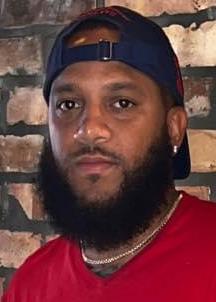
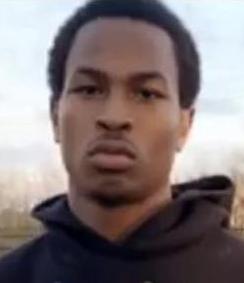
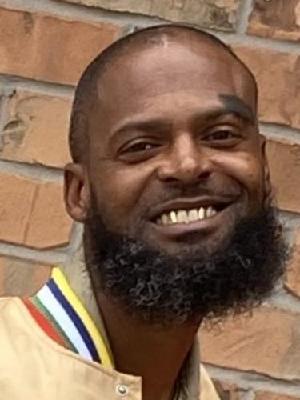
Kevin O'Neal Harrison Sr., known to family and friends as “Hicky,” died in New Orleans, Louisiana on June 2, 2022. He was a 36-year-old Black/African American man.
Online memorial and obituary information remembers him first as a son, father, and familiar presence in his community. He was born on December 19, 1985, to Tanya Smith and Keith Harrison, and those notices describe a close, layered family around him: a stepfather, siblings, nieces and nephews, a godmother, and godchildren
named among the people left to hold onto his memory. The same sources emphasize the children who survived him—Kevin Jr., Kayla, Raheem, and Amari—placing them at the center of what his loss meant.
A separate public entry that catalogs firearm deaths lists Harrison as a person “lost to gun violence” on the date he died in New Orleans. That listing points to local-news coverage about shootings, including reports tied to the Seventh Ward and New Orleans East, but the underlying articles it references are not directly accessible from the open web sources available here. As a result, the publicly viewable material does not reliably supply the kind of scene-by-scene account—exact location, sequence of events, or the precipitating dispute—that would normally explain how the violence unfolded.
Because those missing details are also where investigative updates typically appear, there is no verifiable, openly accessible reporting in the sources reviewed that names a suspect or suspects in Harrison's death, describes an arrest, or outlines charges, court proceedings, or a conviction connected to this case. In other words, the record that can be confirmed from available online sources speaks clearly to who Harrison was, when he died, and where he was from, but it does not publicly resolve who was responsible or whether anyone was taken into custody in connection with his killing.
What remains visible in the open record is the way the aftermath gathered around him: plans for a celebration of life, a visitation, and burial arrangements—details that read like a family trying to put structure around grief. The online notices fix him in time—December 1985 to June 2022—while the absence of publicly accessible investigative facts leaves the ending spare, with more known about the people who loved him than about the person who took him away.