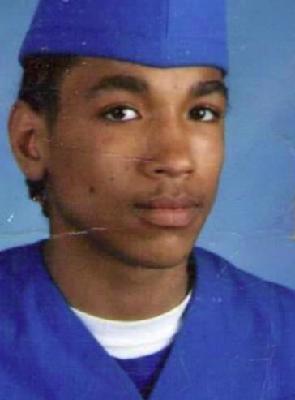
Albert Sykes, a 16-year-old African American male, tragically lost his life on November 29, 2004, in Chicago, Illinois. The circumstances surrounding his death were deeply troubling and sparked a significant investigation. Albert was found with multiple gunshot wounds in a neighborhood known for its high crime rates. The initial investigation suggested that the shooting might have been gang-related, as Albert was reportedly seen associating with known gang members in the area.
The
Chicago Police Department launched an extensive investigation to uncover the details of Albert's murder. Witnesses reported hearing gunshots and seeing a group of individuals fleeing the scene shortly after the incident. Despite numerous interviews and community outreach efforts, the investigation faced challenges due to a lack of cooperation from potential witnesses, many of whom feared retaliation.
In the months following Albert's death, several suspects were identified based on witness testimonies and surveillance footage. However, the case remained unsolved for a considerable period, with no arrests made initially. The community's reluctance to come forward with information significantly hindered the progress of the investigation.
Years later, a breakthrough came when new evidence emerged, leading to the arrest of two individuals believed to be involved in Albert's murder. The suspects, both young African American males with prior criminal records, were charged with first-degree murder and other related offenses. The prosecution argued that the murder was a result of a gang dispute, with Albert being an unintended target caught in the crossfire.
The trial garnered significant media attention, highlighting the ongoing issues of gang violence and the impact on young lives in Chicago. During the trial, the defense attempted to discredit the prosecution's witnesses, many of whom had criminal backgrounds themselves. Despite these efforts, the jury found the defendants guilty, and they were sentenced to lengthy prison terms.
Albert Sykes' death remains a poignant reminder of the challenges faced by communities plagued by gang violence. His family, devastated by the loss, has since become advocates for anti-violence initiatives, hoping to prevent other families from experiencing similar tragedies. The case also underscored the importance of community cooperation in solving crimes and bringing perpetrators to justice.