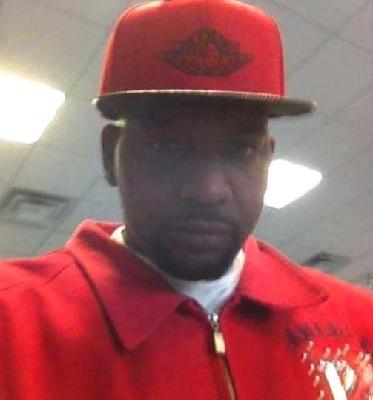
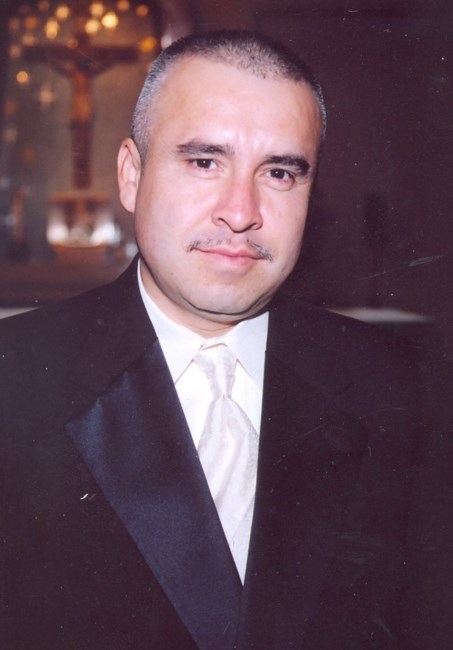
LTerrick Benion, a 23-year-old African American male from Chicago, IL, tragically lost his life on July 29, 2013. The circumstances surrounding his death were deeply troubling and led to significant legal proceedings. Benion was found dead in what was later determined to be a homicide. The investigation revealed that he had been shot multiple times, a fact that underscored the violent nature of his death.
The investigation into LTerrick Benion's murder was extensive.
Law enforcement officials worked tirelessly to piece together the events leading up to his death. Witnesses reported hearing gunshots and seeing a vehicle speeding away from the scene. This information was crucial in identifying potential suspects and understanding the motive behind the crime. The police were able to gather evidence that pointed towards a gang-related motive, as Benion was known to have associations with local gangs. This connection made the investigation more complex, as it involved navigating the dangerous and often secretive world of gang activity in Chicago.
Several arrests were made in connection with LTerrick Benion's murder. The primary suspect, a 25-year-old African American male, was apprehended after a lengthy manhunt. He was charged with first-degree murder and several other related offenses. The suspect's arrest brought some relief to Benion's family, who had been seeking justice for their loved one. The legal proceedings that followed were closely watched by the community, as they highlighted the ongoing issue of gang violence in Chicago.
The trial of the primary suspect was a significant event, drawing attention from both local and national media. During the trial, prosecutors presented a compelling case, detailing the evidence that linked the suspect to the crime. This included forensic evidence, witness testimonies, and surveillance footage. The defense, on the other hand, attempted to cast doubt on the prosecution's case, arguing that the evidence was circumstantial and that there were other possible suspects. Despite these efforts, the jury found the suspect guilty of first-degree murder, and he was sentenced to life in prison without the possibility of parole.
In addition to the primary suspect, several other individuals were implicated in the case. These individuals were believed to have played various roles in the planning and execution of the crime. Some were charged with accessory to murder, while others faced charges related to obstruction of justice and conspiracy. The legal proceedings for these individuals were separate from the main trial but were equally important in ensuring that all those involved in LTerrick Benion's death were held accountable.
The murder of LTerrick Benion had a profound impact on his family and the community. His death was a stark reminder of the pervasive issue of gun violence in Chicago and the devastating effects it has on families and neighborhoods. In the years following his death, there were calls for increased efforts to address gang violence and improve community safety. Benion's family became advocates for change, working with local organizations to raise awareness about the issue and support other families affected by similar tragedies.
Overall, the case of LTerrick Benion's murder is a poignant example of the challenges faced by law enforcement and the justice system in tackling gang-related violence. It also highlights the resilience of communities in the face of such adversity and the ongoing need for comprehensive strategies to prevent such tragedies in the future.