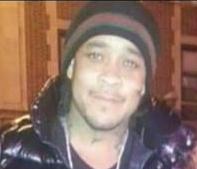
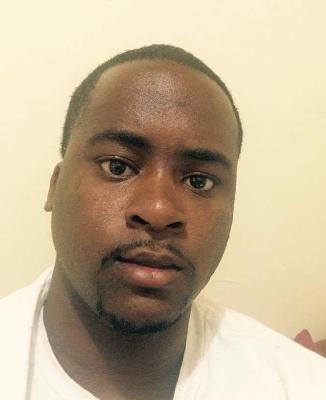
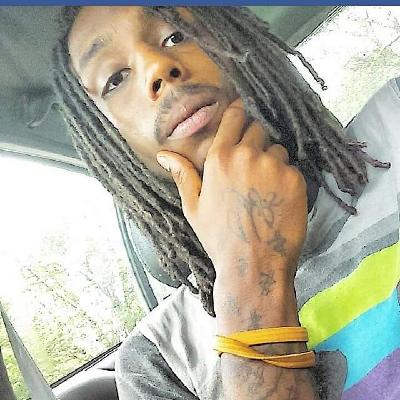
Raason Shaw, a 20-year-old African American male, was fatally shot by police officers on March 29, 2014, in Chicago, Illinois. The incident occurred in the West Woodlawn neighborhood on the South Side of Chicago. According to reports, plainclothes officers observed Shaw engaging in what appeared to be a hand-to-hand narcotics transaction. When the officers attempted to investigate, Shaw fled the scene, leading to a foot chase through gangways and alleys.
During the chase, officers
reported that Shaw was clutching an object in his waistband. As he attempted to scale a fence, Shaw allegedly drew a .40 caliber Glock handgun from his waistband. The officers claimed that Shaw pointed the weapon at them, prompting one of the officers to open fire. Shaw was struck multiple times and pronounced dead at the scene. The officers involved in the shooting were identified as P.O. Sanchez and P.O. Perez, who were on routine patrol at the time.
The aftermath of the shooting saw an investigation by the Civilian Office of Police Accountability (COPA). The investigation included the review of video and audio evidence, as well as police reports and witness statements. The COPA's final summary report, released in 2022, detailed the events leading up to the shooting and the officers' actions during the incident. Shaw's family, including his mother Sharon Shaw, expressed their grief and disbelief over the loss of Raason, who was about to become a father.
The case did not result in any criminal charges against the officers involved. The investigation concluded that the officers acted in self-defense, as Shaw had allegedly pointed a firearm at them. However, the incident sparked discussions about police use of force and the treatment of African American males by law enforcement in Chicago. The community's response highlighted ongoing concerns about police accountability and the need for reforms in policing practices.
Raason Shaw's death remains a poignant example of the complexities surrounding police-involved shootings and the impact on the affected families and communities. The case underscores the importance of thorough investigations and transparent reporting to ensure justice and accountability in such incidents.