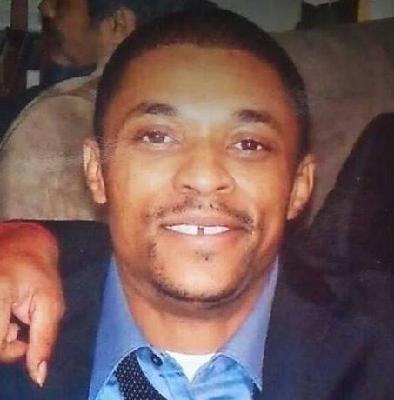
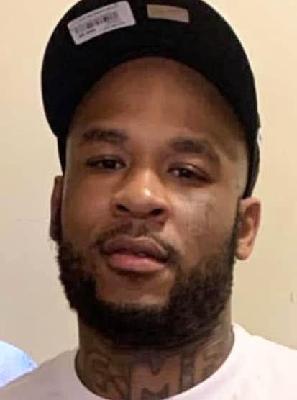
Lewis Jenkins, a 38-year-old African American male, tragically lost his life on May 21, 2014, in Chicago, IL. The circumstances surrounding his death have been the subject of extensive investigation and legal proceedings. Jenkins' death was initially reported as a homicide, prompting a thorough investigation by local law enforcement agencies.
The investigation revealed that Jenkins had been shot multiple times in what appeared to be a targeted attack.
Witnesses reported hearing gunshots and seeing a vehicle speeding away from the scene. The police quickly identified several suspects based on witness statements and surveillance footage from nearby cameras. Among the suspects was David Fauntleroy, who was later arrested and charged with Jenkins' murder. Fauntleroy, a 22-year-old African American male, was accused of being involved in a series of violent crimes in the area, including the murder of Jenkins.
During the trial, it was revealed that Fauntleroy had been coerced into confessing to the crime by Chicago police detectives. The detectives, who were later found to have engaged in misconduct, used physical violence and threats to obtain Fauntleroy's confession. Despite the lack of concrete evidence linking Fauntleroy to the crime, he was convicted and sentenced to life in prison. However, years later, Fauntleroy's conviction was overturned after it was proven that his confession had been coerced and that he had been wrongfully convicted.
The case of Lewis Jenkins' murder remains unsolved, with no new leads or suspects identified. The wrongful conviction of Fauntleroy has raised serious questions about the integrity of the investigation and the conduct of the police officers involved. Jenkins' family continues to seek justice for his untimely death, hoping that the true perpetrators will eventually be brought to justice. The case has also sparked a broader conversation about police misconduct and the need for reform within the criminal justice system.